

- Afhalen na 1 uur in een winkel met voorraad
- Gratis thuislevering in België vanaf € 30
- Ruim aanbod met 7 miljoen producten
- Afhalen na 1 uur in een winkel met voorraad
- Gratis thuislevering in België vanaf € 30
- Ruim aanbod met 7 miljoen producten





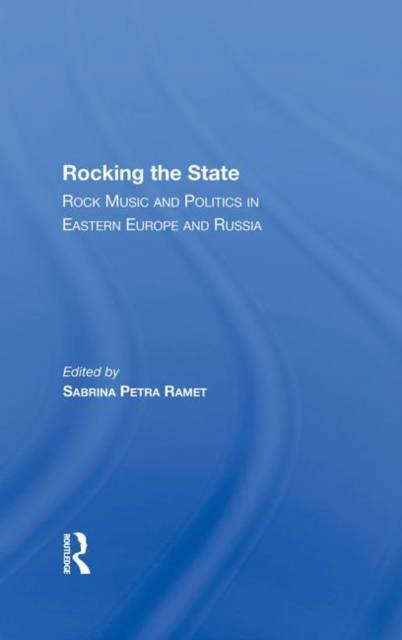
Rocking the State
Rock Music and Politics in Eastern Europe and Russia
Sabrina P Ramet
Hardcover | Engels
€ 290,45
+ 580 punten
Omschrijving
Most readers of this book will have had at most a fleeting acquaintancewith the music of some of the groups described in this book. Groupssuch as Laibach (from Slovenia), Borghesia (Slovenia), Pankow (theGDR), and Gorky Park (USSR) have concentrated on the Western marketand have acquired followings in the United States and Western Europe.Other artists and groups, such as Boris Grebenshikov and Aquarium(USSR), Sergei Kuryokhin (USSR), Goran Bregovic and White Button(Yugoslavia), and Plastic People of the Universe (Czechoslovakia), havealso seen some Western exposure. But for the most part, the rock musicof that part of the world is terra incognita to Westerners. So too is thestory of their uneasy coexistence with communist authorities from thetime that rock first ppeared until the collapse of communism in 1989.This book aims to fill that vacuum.
Specificaties
Betrokkenen
- Auteur(s):
- Uitgeverij:
Inhoud
- Aantal bladzijden:
- 328
- Taal:
- Engels
Eigenschappen
- Productcode (EAN):
- 9780367286187
- Verschijningsdatum:
- 2/10/2019
- Uitvoering:
- Hardcover
- Formaat:
- Genaaid
- Afmetingen:
- 156 mm x 234 mm
- Gewicht:
- 635 g


Alleen bij Standaard Boekhandel
+ 580 punten op je klantenkaart van Standaard Boekhandel
Wedstrijd


Beoordelingen
We publiceren alleen reviews die voldoen aan de voorwaarden voor reviews. Bekijk onze voorwaarden voor reviews.