


- Afhalen na 1 uur in een winkel met voorraad
- Gratis thuislevering in België vanaf € 30
- Ruim aanbod met 7 miljoen producten
- Afhalen na 1 uur in een winkel met voorraad
- Gratis thuislevering in België vanaf € 30
- Ruim aanbod met 7 miljoen producten





€ 33,45
+ 66 punten
Omschrijving
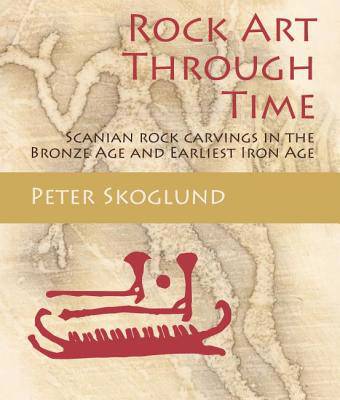
As in many other areas in south Scandinavia, the region surrounding the city of Simrishamn in south-east Scania has a great many Bronze Age mounds that are still visible in the landscape, and records from the museums demonstrate that the area is rich in bronze metalwork. Nevertheless, it is the figurative rock art that makes this region stand out as distinct from surrounding areas that lack such images. The rock art constitutes a spatially well-defined tradition that covers the Bronze Age and the earliest Iron Age, c. 1700-200 BC and, although the number of sites is comparatively small, a characteristic and unusual feature is the large representation of various kinds of metal axes. Significantly these images are tightly distributed inside the core zone of metal consumption in southernmost Scandinavia. This beautifully illustrated new addition to the Swedish rock Art series presents a detailed reassessment of the Simrishamn rock art and examines the close relationship between iconography displayed on metals and that found in rock art. In so doing it raises some important questions of principle concerning the current understanding of the south Scandinavian rock art tradition.
Specificaties
Betrokkenen
- Auteur(s):
- Uitgeverij:
Inhoud
- Aantal bladzijden:
- 144
- Taal:
- Engels
- Reeks:
- Reeksnummer:
- nr. 5
Eigenschappen
- Productcode (EAN):
- 9781785701641
- Verschijningsdatum:
- 30/06/2016
- Uitvoering:
- Hardcover
- Formaat:
- Genaaid
- Afmetingen:
- 188 mm x 221 mm
- Gewicht:
- 589 g


Alleen bij Standaard Boekhandel
+ 66 punten op je klantenkaart van Standaard Boekhandel
CADEAU

AANGERADEN


Beoordelingen
We publiceren alleen reviews die voldoen aan de voorwaarden voor reviews. Bekijk onze voorwaarden voor reviews.