


- Afhalen na 1 uur in een winkel met voorraad
- Gratis thuislevering in België vanaf € 30
- Ruim aanbod met 7 miljoen producten
- Afhalen na 1 uur in een winkel met voorraad
- Gratis thuislevering in België vanaf € 30
- Ruim aanbod met 7 miljoen producten





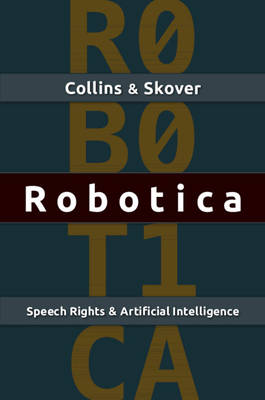
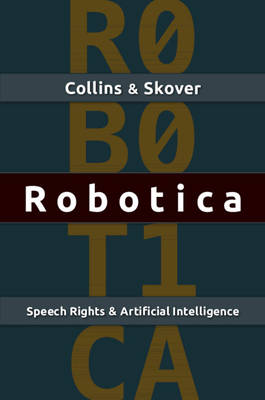
Robotica
Speech Rights and Artificial Intelligence
Ronald K L Collins, David M Skover
Paperback | Engels
€ 41,95
+ 83 punten
Uitvoering
Omschrijving
In every era of communications technology - whether print, radio, television, or Internet - some form of government censorship follows to regulate the medium and its messages. Today we are seeing the phenomenon of 'machine speech' enhanced by the development of sophisticated artificial intelligence. Ronald K. L. Collins and David M. Skover argue that the First Amendment must provide defenses and justifications for covering and protecting robotic expression. It is irrelevant that a robot is not human and cannot have intentions; what matters is that a human experiences robotic speech as meaningful. This is the constitutional recognition of 'intentionless free speech' at the interface of the robot and receiver. Robotica is the first book to develop the legal arguments for these purposes. Aimed at law and communication scholars, lawyers, and free speech activists, this work explores important new problems and solutions at the interface of law and technology.
Specificaties
Betrokkenen
- Auteur(s):
- Uitgeverij:
Inhoud
- Aantal bladzijden:
- 178
- Taal:
- Engels
Eigenschappen
- Productcode (EAN):
- 9781108448710
- Verschijningsdatum:
- 31/05/2018
- Uitvoering:
- Paperback
- Formaat:
- Trade paperback (VS)
- Afmetingen:
- 154 mm x 228 mm
- Gewicht:
- 312 g


Alleen bij Standaard Boekhandel
+ 83 punten op je klantenkaart van Standaard Boekhandel
Cadeau

AANGERADEN


Beoordelingen
We publiceren alleen reviews die voldoen aan de voorwaarden voor reviews. Bekijk onze voorwaarden voor reviews.