


- Afhalen na 1 uur in een winkel met voorraad
- Gratis thuislevering in België vanaf € 30
- Ruim aanbod met 7 miljoen producten
- Afhalen na 1 uur in een winkel met voorraad
- Gratis thuislevering in België vanaf € 30
- Ruim aanbod met 7 miljoen producten





€ 55,95
+ 111 punten
Omschrijving
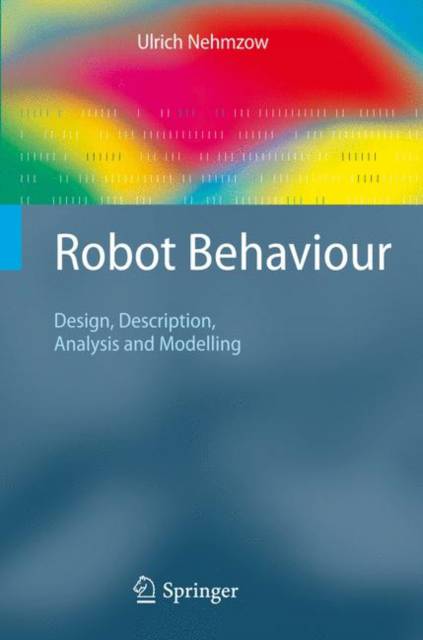
Robots have evolved impressively since the 3-D manipulator built by C.W. K- ward (1957), the two little electromechanical turtles Elmer and Elsie [Walter, 1950, Walter, 1951], and the ?rst mobile robots controlled by comp- ers, Shakey [Nilsson, 1984], CART [Moravec, 1979, Moravec, 1983], and - lare [Giralt et al., 1979]. Since then, we have seen industrial robot manipu- tors working in car factories, automatic guided vehicles moving heavy loads along pre-de?ned routes, human-remotely-operated robots neutralising bombs, and even semi-autonomous robots, like Sojourner, going to Mars and moving from one position to another commanded from Earth. Robots will go further and further in our society. However, there is still a kind of robot that has not completely taken off so far: autonomous robots. Autonomy depends upon working without human supervision for a considerable amount of time, taking independent decisions, adapting to new challenges in dynamic environments, interacting with other systems and humans, and so on. Research on autonomy is highly motivated by the expectations of having robots that can work with us and for us in everyday environments, assisting us at home or work, acting as servants and companions to help us in the execution of different tasks, so that we can have more spare time and a better quality of life.
Specificaties
Betrokkenen
- Auteur(s):
- Uitgeverij:
Inhoud
- Aantal bladzijden:
- 252
- Taal:
- Engels
Eigenschappen
- Productcode (EAN):
- 9781848003965
- Verschijningsdatum:
- 28/11/2008
- Uitvoering:
- Paperback
- Formaat:
- Trade paperback (VS)
- Afmetingen:
- 155 mm x 229 mm
- Gewicht:
- 385 g



Alleen bij Standaard Boekhandel
+ 111 punten op je klantenkaart van Standaard Boekhandel
Cadeau

AANGERADEN


Beoordelingen
We publiceren alleen reviews die voldoen aan de voorwaarden voor reviews. Bekijk onze voorwaarden voor reviews.