


- Afhalen na 1 uur in een winkel met voorraad
- Gratis thuislevering in België vanaf € 30
- Ruim aanbod met 7 miljoen producten
- Afhalen na 1 uur in een winkel met voorraad
- Gratis thuislevering in België vanaf € 30
- Ruim aanbod met 7 miljoen producten





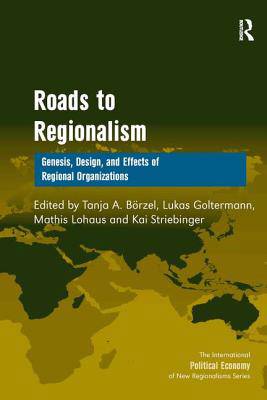
Roads to Regionalism
Genesis, Design, and Effects of Regional Organizations
Tanja A Börzel, Lukas Goltermann, Kai Striebinger
€ 343,45
+ 686 punten
Uitvoering
Omschrijving
Many publications focus on a narrow set of regional organizations or display a strong bias towards the European Union as the supposedly most sophisticated integration scheme. This book, in contrast, goes beyond Europe and takes a comparative approach across space and time to look at regional organizations in North and South America, Africa, the Middle East, and Asia.
Specificaties
Betrokkenen
- Auteur(s):
- Uitgeverij:
Inhoud
- Aantal bladzijden:
- 296
- Taal:
- Engels
- Reeks:
Eigenschappen
- Productcode (EAN):
- 9781409434641
- Verschijningsdatum:
- 28/03/2012
- Uitvoering:
- Hardcover
- Formaat:
- Genaaid
- Afmetingen:
- 156 mm x 234 mm
- Gewicht:
- 589 g


Alleen bij Standaard Boekhandel
+ 686 punten op je klantenkaart van Standaard Boekhandel
Cadeau

AANGERADEN


Beoordelingen
We publiceren alleen reviews die voldoen aan de voorwaarden voor reviews. Bekijk onze voorwaarden voor reviews.