


- Afhalen na 1 uur in een winkel met voorraad
- Gratis thuislevering in België vanaf € 30
- Ruim aanbod met 7 miljoen producten
- Afhalen na 1 uur in een winkel met voorraad
- Gratis thuislevering in België vanaf € 30
- Ruim aanbod met 7 miljoen producten





€ 27,95
+ 55 punten
Omschrijving
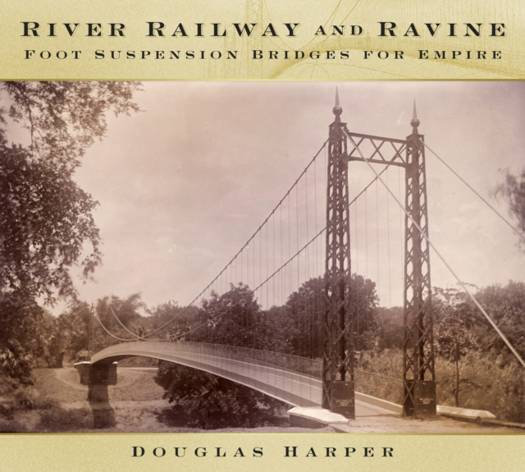
This is the story of Harpers of Aberdeen, who developed from their mid-19th-century fencing business a unique system of suspension that allowed their light foot suspension bridges to be relatively rigid, and so overcame the main disadvantage of such bridges. Harpers built in excess of 60 of them throughout the UK and the British Empire between 1870-1910, and they have been little documented, although the Harper system of suspension was unique at the time, providing a noticeable stiffening of the structure. John Harper was one of the first to use steel wire rope, now universally used. The author, who is John Harper's great-grandson, searched the globe, found, and crossed those still in use, and describes the development of the idea, his journeys, and the communities the bridges served.
Specificaties
Betrokkenen
- Auteur(s):
- Uitgeverij:
Inhoud
- Aantal bladzijden:
- 168
- Taal:
- Engels
Eigenschappen
- Productcode (EAN):
- 9780750962131
- Verschijningsdatum:
- 1/11/2015
- Uitvoering:
- Hardcover
- Formaat:
- Genaaid
- Afmetingen:
- 229 mm x 257 mm
- Gewicht:
- 952 g


Alleen bij Standaard Boekhandel
+ 55 punten op je klantenkaart van Standaard Boekhandel
Cadeau

AANGERADEN


Beoordelingen
We publiceren alleen reviews die voldoen aan de voorwaarden voor reviews. Bekijk onze voorwaarden voor reviews.