



Je cadeautjes zeker op tijd in huis hebben voor de feestdagen? Kom langs in onze winkels en vind het perfecte geschenk!
- Afhalen na 1 uur in een winkel met voorraad
- Gratis thuislevering in België vanaf € 30
- Ruim aanbod met 7 miljoen producten
Je cadeautjes zeker op tijd in huis hebben voor de feestdagen? Kom langs in onze winkels en vind het perfecte geschenk!
- Afhalen na 1 uur in een winkel met voorraad
- Gratis thuislevering in België vanaf € 30
- Ruim aanbod met 7 miljoen producten





Omschrijving
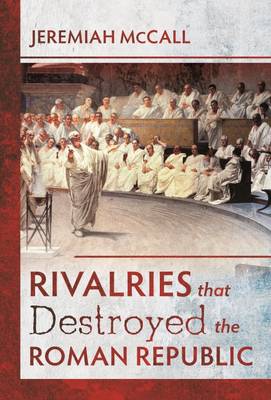
This is the story of how some Roman aristocrats grew so competitive in their political rivalries that they destroyed their Republic, in the late second to mid-first century BCE. Politics had always been a fractious game at Rome as aristocratic competitors strove to outshine one another in elected offices and honors, all ostensibly in the name of serving the Republic. And for centuries it had worked - or at least worked for these elite and elitist competitors. Enemies were defeated, glory was spread round the ruling class, and the empire of the Republic steadily grew. When rivalries grew too bitter, when aristocrats seemed headed toward excessive power, the oligarchy of the Roman Senate would curb its more competitive members, fostering consensus that allowed the system--the competitive arena for offices and honors, and the domination of the Senate--to continue.
But as Rome came to rule much of the Mediterranean, aristocratic competitions grew too fierce; the prizes for winning were too great. And so, a series of bitter rivalries combined with the social and political pressures of the day to disintegrate the Republic. This is the story of those bitter rivalries from the senatorial debates of Fabius and Scipio, to the censorial purges of Cato; from the murders of Tiberius and Gaius Gracchus, to the ultimate rivalry of Caesar and Pompey. A work of historical investigation, Rivalries that Destroyed the Roman Republic introduces readers not only to the story of the Republic's collapse but the often-scarce and problematic evidence from which the story of these actors and their struggles is woven.
But as Rome came to rule much of the Mediterranean, aristocratic competitions grew too fierce; the prizes for winning were too great. And so, a series of bitter rivalries combined with the social and political pressures of the day to disintegrate the Republic. This is the story of those bitter rivalries from the senatorial debates of Fabius and Scipio, to the censorial purges of Cato; from the murders of Tiberius and Gaius Gracchus, to the ultimate rivalry of Caesar and Pompey. A work of historical investigation, Rivalries that Destroyed the Roman Republic introduces readers not only to the story of the Republic's collapse but the often-scarce and problematic evidence from which the story of these actors and their struggles is woven.
Specificaties
Betrokkenen
- Auteur(s):
- Uitgeverij:
Inhoud
- Aantal bladzijden:
- 328
- Taal:
- Engels
Eigenschappen
- Productcode (EAN):
- 9781526733177
- Verschijningsdatum:
- 21/09/2022
- Uitvoering:
- Hardcover
- Formaat:
- Genaaid
- Afmetingen:
- 155 mm x 231 mm
- Gewicht:
- 596 g


Alleen bij Standaard Boekhandel
+ 69 punten op je klantenkaart van Standaard Boekhandel
CADEAU


Beoordelingen
We publiceren alleen reviews die voldoen aan de voorwaarden voor reviews. Bekijk onze voorwaarden voor reviews.