


- Afhalen na 1 uur in een winkel met voorraad
- Gratis thuislevering in België vanaf € 30
- Ruim aanbod met 7 miljoen producten
- Afhalen na 1 uur in een winkel met voorraad
- Gratis thuislevering in België vanaf € 30
- Ruim aanbod met 7 miljoen producten





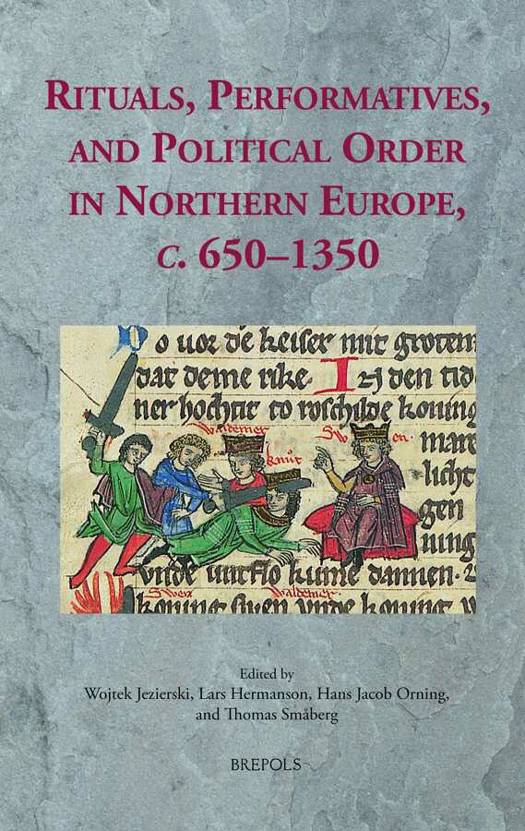
Rituals, Performatives, and Political Order in Northern Europe, C. 650-1350
Wojtek Jezierski
€ 116,60
+ 233 punten
Omschrijving
This multidisciplinary volume draws together contributions from history, archaeology, and the history of religion to offer an in-depth examination of political ritual and its performative and transformative potential across Continental Europe and Scandinavia. Covering the period between c. 650 and 1350, this work takes a theoretical, textual, and practical approach to the study of political ritual, and explores the connections between, and changing functions of, key rituals such as assemblies, feasts, and religious confrontations between pagans and Christians. Taking as a central premise the fact that rituals were not only successful political instruments used to create and maintain order, but were also a hazardous game in which intended strategies could fail, the papers within this volume demonstrate that the outcomes of feasts or court meetings were often highly unpredictable, and a friendly atmosphere could quickly change into a violent clash. By emphasising the conflict-ridden and unpredictable nature of ritual acts, the articles add crucial insights into the meanings, (ab)uses, and interpretations of performances in the Middle Ages. In doing so, they demonstrate that rituals, far from being mere representations of power, also constituted an important mechanism through which the political and religious order could be challenged and transformed.
Specificaties
Betrokkenen
- Auteur(s):
- Uitgeverij:
Inhoud
- Aantal bladzijden:
- 366
- Taal:
- Engels
- Reeks:
- Reeksnummer:
- nr. 7
Eigenschappen
- Productcode (EAN):
- 9782503554723
- Verschijningsdatum:
- 6/11/2015
- Uitvoering:
- Hardcover
- Formaat:
- Genaaid
- Afmetingen:
- 168 mm x 239 mm
- Gewicht:
- 748 g


Alleen bij Standaard Boekhandel
+ 233 punten op je klantenkaart van Standaard Boekhandel
Cadeau

AANGERADEN


Beoordelingen
We publiceren alleen reviews die voldoen aan de voorwaarden voor reviews. Bekijk onze voorwaarden voor reviews.