


- Afhalen na 1 uur in een winkel met voorraad
- Gratis thuislevering in België vanaf € 30
- Ruim aanbod met 7 miljoen producten
- Afhalen na 1 uur in een winkel met voorraad
- Gratis thuislevering in België vanaf € 30
- Ruim aanbod met 7 miljoen producten





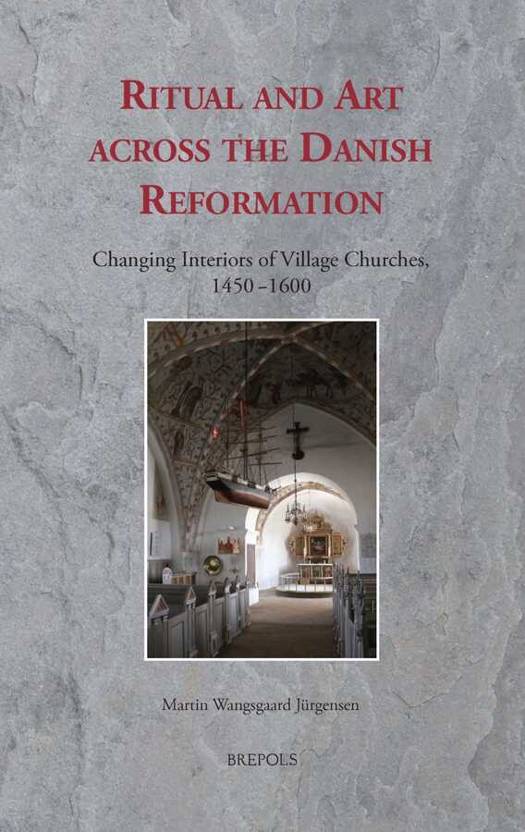
Ritual and Art across the Danish Reformation
Changing Interiors of Village Churches, 1450-1600
Martin Wangsgaard Jürgensen
€ 148,40
+ 296 punten
Omschrijving
This volume presents a thorough study of the more than a thousand preserved Danish medieval rural parish churches. It traces the transformations of church interiors from c. 1450 to 1600 (thus covering both the emergence and impact of the Danish Reformation) by interpreting material changes within a broad historical perspective that highlights changes in religious practices and liturgy. The book explores the spatial and artistic implications of liturgy as well as the role of the congregation, the donor, and the clergy both in shaping and disrupting these interiors. It sets out to answer four basic questions: What did these rural churches look like by the middle of the fifteenth century? How did they change from the middle of the fifteenth century to the end of the sixteenth? How were they used and integrated into public as well as private ceremonies? And how may these churches have been perceived and experienced by the congregation and clergy? This study seeks to establish a methodological framework that incorporates the disciplines of archaeology, art history, history, and theology, in order to facilitate an overall understanding of the architectural setting, embracing spatial, material, and artistic elements within the church through liturgy.
Specificaties
Betrokkenen
- Auteur(s):
- Uitgeverij:
Inhoud
- Aantal bladzijden:
- 586
- Taal:
- Engels
- Reeks:
- Reeksnummer:
- nr. 6
Eigenschappen
- Productcode (EAN):
- 9782503542959
- Verschijningsdatum:
- 23/05/2018
- Uitvoering:
- Hardcover
- Formaat:
- Genaaid
- Afmetingen:
- 162 mm x 238 mm
- Gewicht:
- 1451 g



Alleen bij Standaard Boekhandel
+ 296 punten op je klantenkaart van Standaard Boekhandel
Cadeau

AANGERADEN


Beoordelingen
We publiceren alleen reviews die voldoen aan de voorwaarden voor reviews. Bekijk onze voorwaarden voor reviews.