


- Afhalen na 1 uur in een winkel met voorraad
- Gratis thuislevering in België vanaf € 30
- Ruim aanbod met 7 miljoen producten
- Afhalen na 1 uur in een winkel met voorraad
- Gratis thuislevering in België vanaf € 30
- Ruim aanbod met 7 miljoen producten





€ 136,95
+ 273 punten
Uitvoering
Omschrijving
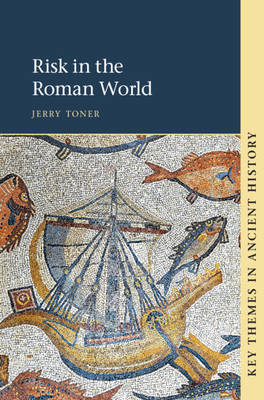
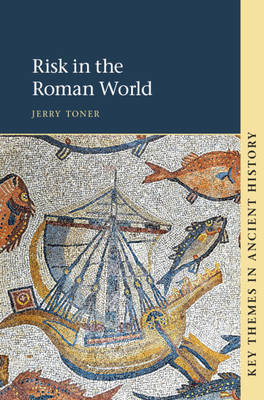
Modern risk studies have viewed the inhabitants of the ancient world as being both dominated by fate and exposed to fewer risks, but this very readable and groundbreaking new book challenges these views. It shows that the Romans inhabited a world full of danger and also that they not only understood uncertainty but employed a variety of ways to help to affect future outcomes. The first section focuses on the range of cultural attitudes and traditional practices that served to help control risk, particularly among the non-elite population. The book also examines the increasingly sophisticated areas of expertise, such as the law, logistics and maritime loans, which served to limit uncertainty in a systematic manner. Religious expertise in the form of dream interpretation and oracles also developed new ways of dealing with the future and the implicit biases of these sources can reveal much about ancient attitudes to risk.
Specificaties
Betrokkenen
- Auteur(s):
- Uitgeverij:
Inhoud
- Aantal bladzijden:
- 156
- Taal:
- Engels
- Reeks:
Eigenschappen
- Productcode (EAN):
- 9781108481748
- Verschijningsdatum:
- 30/11/2023
- Uitvoering:
- Hardcover
- Formaat:
- Genaaid
- Afmetingen:
- 152 mm x 229 mm
- Gewicht:
- 381 g


Alleen bij Standaard Boekhandel
+ 273 punten op je klantenkaart van Standaard Boekhandel
Cadeau

AANGERADEN


Beoordelingen
We publiceren alleen reviews die voldoen aan de voorwaarden voor reviews. Bekijk onze voorwaarden voor reviews.