


- Afhalen na 1 uur in een winkel met voorraad
- Gratis thuislevering in België vanaf € 30
- Ruim aanbod met 7 miljoen producten
- Afhalen na 1 uur in een winkel met voorraad
- Gratis thuislevering in België vanaf € 30
- Ruim aanbod met 7 miljoen producten





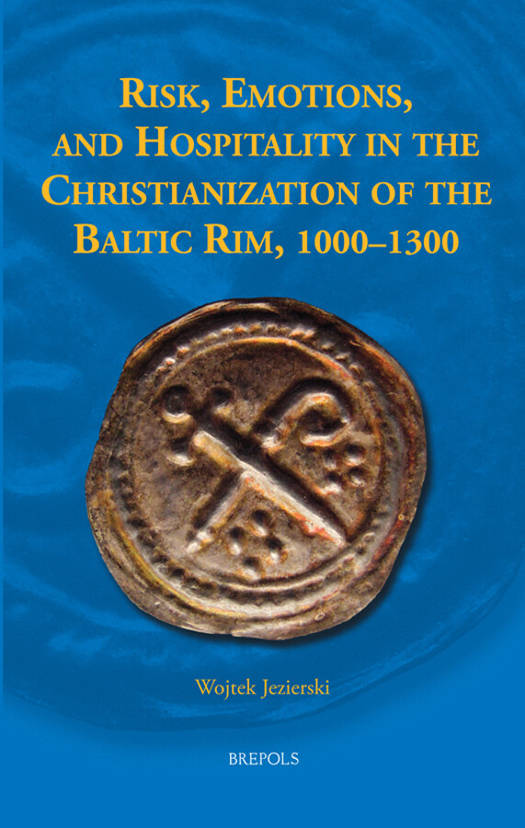
Risk, Emotions, and Hospitality in the Christianization of the Baltic Rim, 1000-1300
Wojtek Jezierski
€ 53,00
+ 106 punten
Omschrijving
What anxieties did medieval missionaries and crusaders face and what role did the sense of risk play in their community-building? To what extent did crusaders and Christian colonists empathize with the local populations they set out to conquer? Who were the hosts and who were the guests during the confrontations with the pagan societies on the Baltic Rim? And how were the uncertainties of the conversion process addressed in concrete encounters and in the accounts of Christian authors? This book explores emotional bonding as well as practices and discourses of hospitality as uncertain means of evangelization, interaction, and socialization across cultural divides on the Baltic Rim, c. 1000-1300. It focuses on interactions between local populations and missionary communities, as well as crusader frontier societies. By applying tools of historical anthropology to the study of host-guest relations, spaces of hospitality, emotional communities, and empathy on the fronts of Christianization, this book offers fresh insights and approaches to the manner in which missionaries and crusaders reflexively engaged with the groups targeted by Christianization in terms of practice, ethics, and identity.
Specificaties
Betrokkenen
- Auteur(s):
- Uitgeverij:
Inhoud
- Aantal bladzijden:
- 356
- Taal:
- Engels
- Reeks:
- Reeksnummer:
- nr. 17
Eigenschappen
- Productcode (EAN):
- 9782503600390
- Verschijningsdatum:
- 27/10/2022
- Uitvoering:
- Hardcover
- Formaat:
- Genaaid
- Afmetingen:
- 152 mm x 240 mm
- Gewicht:
- 725 g



Alleen bij Standaard Boekhandel
+ 106 punten op je klantenkaart van Standaard Boekhandel
Cadeau

AANGERADEN


Beoordelingen
We publiceren alleen reviews die voldoen aan de voorwaarden voor reviews. Bekijk onze voorwaarden voor reviews.