


- Afhalen na 1 uur in een winkel met voorraad
- Gratis thuislevering in België vanaf € 30
- Ruim aanbod met 7 miljoen producten
- Afhalen na 1 uur in een winkel met voorraad
- Gratis thuislevering in België vanaf € 30
- Ruim aanbod met 7 miljoen producten





€ 39,45
+ 78 punten
Omschrijving
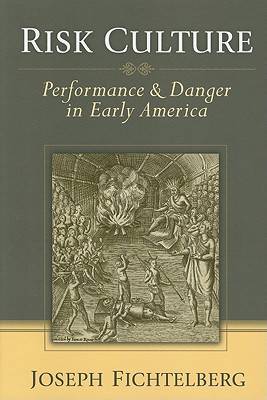
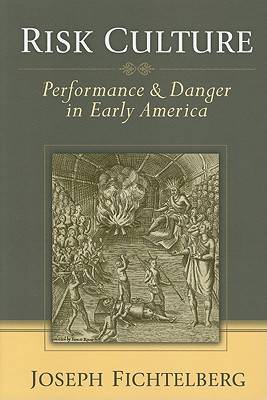
"As a number of recent studies have shown, the north European commercial world made the precise calculation of risk a central concern of the intellectual project of exploration, trade, and colonization. The great merit of Fichtelberg's book is systematizing the imaged world of dangers, and charting the various kinds of ritual and discursive performances marshaled to deal with the pressure of the unspeakable in early America from the 17th into the early 19th century. The readings of texts are invariably careful, and the points made, persuasive."
---David Shields, University of South Carolina Risk Culture is the first scholarly book to explore how strategies of performance shaped American responses to modernity. By examining a variety of early American authors and cultural figures, from John Smith and the Salem witches to Phillis Wheatley, Susanna Rowson, and Aaron Burr, Joseph Fichtelberg shows how early Americans created and resisted a dangerously liberating new world. The texts surveyed confront change through a variety of performances designed both to imagine and deter menaces ranging from Smith's hostile Indians, to Wheatley's experience of slavery, to Rowson's fear of exposure in the public sphere. Fichtelberg combines a variety of scholarly approaches, including anthropology, history, cultural studies, and literary criticism, to offer a unique synthesis of literary close reading and sociological theory in the service of cultural analysis. Joseph Fichtelberg is Professor of English and Chair of the English Department at Hofstra University.
---David Shields, University of South Carolina Risk Culture is the first scholarly book to explore how strategies of performance shaped American responses to modernity. By examining a variety of early American authors and cultural figures, from John Smith and the Salem witches to Phillis Wheatley, Susanna Rowson, and Aaron Burr, Joseph Fichtelberg shows how early Americans created and resisted a dangerously liberating new world. The texts surveyed confront change through a variety of performances designed both to imagine and deter menaces ranging from Smith's hostile Indians, to Wheatley's experience of slavery, to Rowson's fear of exposure in the public sphere. Fichtelberg combines a variety of scholarly approaches, including anthropology, history, cultural studies, and literary criticism, to offer a unique synthesis of literary close reading and sociological theory in the service of cultural analysis. Joseph Fichtelberg is Professor of English and Chair of the English Department at Hofstra University.
Specificaties
Betrokkenen
- Auteur(s):
- Uitgeverij:
Inhoud
- Aantal bladzijden:
- 264
- Taal:
- Engels
Eigenschappen
- Productcode (EAN):
- 9780472050949
- Verschijningsdatum:
- 14/06/2010
- Uitvoering:
- Paperback
- Formaat:
- Trade paperback (VS)
- Afmetingen:
- 150 mm x 226 mm
- Gewicht:
- 399 g


Alleen bij Standaard Boekhandel
+ 78 punten op je klantenkaart van Standaard Boekhandel
CADEAU

AANGERADEN


Beoordelingen
We publiceren alleen reviews die voldoen aan de voorwaarden voor reviews. Bekijk onze voorwaarden voor reviews.