


- Afhalen na 1 uur in een winkel met voorraad
- Gratis thuislevering in België vanaf € 30
- Ruim aanbod met 7 miljoen producten
- Afhalen na 1 uur in een winkel met voorraad
- Gratis thuislevering in België vanaf € 30
- Ruim aanbod met 7 miljoen producten





€ 41,45
+ 82 punten
Eenvoudig bestellen
Veilig betalen


Gratis thuislevering vanaf € 30 (via bpost)
Gratis levering in je Standaard Boekhandel
Omschrijving
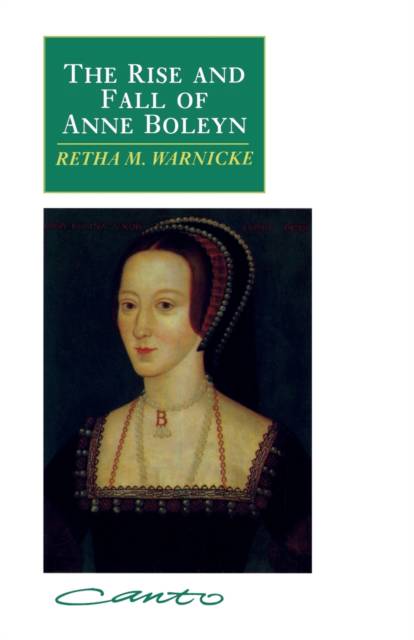
The events which led to the execution of Anne Boleyn, Henry VIII's second queen, in 1536 have traditionally been explained by historians in terms of a factional conspiracy masterminded by Henry's minister Thomas Cromwell. Retha Warnicke's fascinating and controversial reinterpretation focuses instead on the sexual intrigues and family politics pervading the court, offering a new explanation of Anne's fall. The picture which emerges - placing Anne's life in the context of social and religious values, and superstitions about witches and the birth of deformed children - changes our perception of her role within the court, and suggests that her execution (occurring only four months after a miscarriage) was the tragic consequence of Henry's profound concern about the continuation of the Tudor dynasty.
Specificaties
Betrokkenen
- Auteur(s):
- Uitgeverij:
Inhoud
- Aantal bladzijden:
- 338
- Taal:
- Engels
- Reeks:
Eigenschappen
- Productcode (EAN):
- 9780521406772
- Verschijningsdatum:
- 26/07/1991
- Uitvoering:
- Paperback
- Formaat:
- Trade paperback (VS)
- Afmetingen:
- 137 mm x 213 mm
- Gewicht:
- 498 g


Alleen bij Standaard Boekhandel
+ 82 punten op je klantenkaart van Standaard Boekhandel
CADEAU

AANGERADEN


Beoordelingen
We publiceren alleen reviews die voldoen aan de voorwaarden voor reviews. Bekijk onze voorwaarden voor reviews.