


- Afhalen na 1 uur in een winkel met voorraad
- Gratis thuislevering in België vanaf € 30
- Ruim aanbod met 7 miljoen producten
- Afhalen na 1 uur in een winkel met voorraad
- Gratis thuislevering in België vanaf € 30
- Ruim aanbod met 7 miljoen producten





€ 144,95
+ 289 punten
Uitvoering
Omschrijving
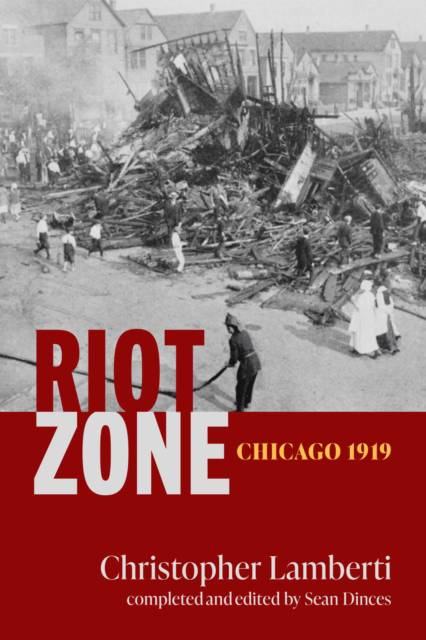
Riot Zone presents a compelling forensic microhistory of the racial violence that exploded in Chicago starting on July 27, 1919, when a Black teenager named Eugene Williams drowned in Lake Michigan after white beachgoers attacked him as he swam with friends. In the days that followed, white gang members terrorized African Americans on the city's South Side and Black Chicagoans armed and defended themselves in response. By the end of the first week of August, when the rioting finally ended, thirty-eight Chicagoans lay dead and hundreds nursed injuries as a result of what became known as America's "Red Summer."
The late Christopher Lamberti, with the help of editor Sean Dinces, recounts this sobering history using GIS software to map what occurred. The authors revisit and debunk ideas about the role race and ethnicity played in the riot and its aftermath, showing how the politics of housing and racial conflicts over residential space set the stage for the riots that ensued.
With insights that echo in today's conflicts, Riot Zone proves that there is still plenty to learn about the history of America's ongoing struggle with urban and racial violence.
In the series Urban Life, Landscape, and Policy
Specificaties
Betrokkenen
- Auteur(s):
- Uitgeverij:
Inhoud
- Aantal bladzijden:
- 224
- Taal:
- Engels
- Reeks:
Eigenschappen
- Productcode (EAN):
- 9781439927908
- Verschijningsdatum:
- 27/11/2026
- Uitvoering:
- Hardcover
- Formaat:
- Genaaid
- Afmetingen:
- 152 mm x 229 mm


Alleen bij Standaard Boekhandel
+ 289 punten op je klantenkaart van Standaard Boekhandel
Cadeau

AANGERADEN


Beoordelingen
We publiceren alleen reviews die voldoen aan de voorwaarden voor reviews. Bekijk onze voorwaarden voor reviews.