


- Afhalen na 1 uur in een winkel met voorraad
- Gratis thuislevering in België vanaf € 30
- Ruim aanbod met 7 miljoen producten
- Afhalen na 1 uur in een winkel met voorraad
- Gratis thuislevering in België vanaf € 30
- Ruim aanbod met 7 miljoen producten





Omschrijving
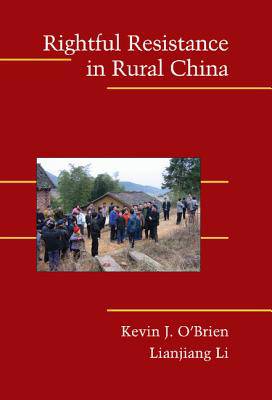
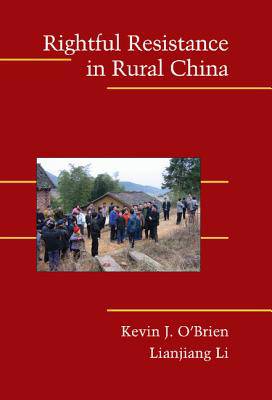
How can the poor and weak 'work' a political system to their advantage? Drawing mainly on interviews and surveys in rural China, Kevin O'Brien and Lianjiang Li show that popular action often hinges on locating and exploiting divisions within the state. Otherwise powerless people use the rhetoric and commitments of the central government to try to fight misconduct by local officials, open up clogged channels of participation, and push back the frontiers of the permissible. This 'rightful resistance' has far-reaching implications for our understanding of contentious politics. As O'Brien and Li explore the origins, dynamics, and consequences of rightful resistance, they highlight similarities between collective action in places as varied as China, the former East Germany, and the United States, while suggesting how Chinese experiences speak to issues such as opportunities to protest, claims radicalization, tactical innovation, and the outcomes of contention.
Specificaties
Betrokkenen
- Auteur(s):
- Uitgeverij:
Inhoud
- Aantal bladzijden:
- 200
- Taal:
- Engels
- Reeks:
Eigenschappen
- Productcode (EAN):
- 9780521861311
- Verschijningsdatum:
- 13/02/2006
- Uitvoering:
- Hardcover
- Formaat:
- Genaaid
- Afmetingen:
- 161 mm x 235 mm
- Gewicht:
- 390 g


Alleen bij Standaard Boekhandel
+ 198 punten op je klantenkaart van Standaard Boekhandel

Beoordelingen
We publiceren alleen reviews die voldoen aan de voorwaarden voor reviews. Bekijk onze voorwaarden voor reviews.