


- Afhalen na 1 uur in een winkel met voorraad
- Gratis thuislevering in België vanaf € 30
- Ruim aanbod met 7 miljoen producten
- Afhalen na 1 uur in een winkel met voorraad
- Gratis thuislevering in België vanaf € 30
- Ruim aanbod met 7 miljoen producten





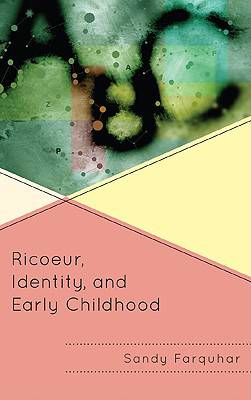
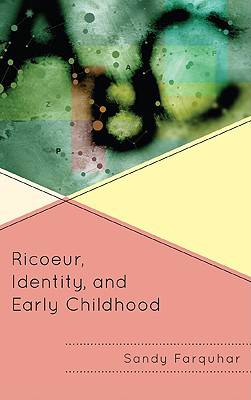
Ricoeur, Identity, and Early Childhood
Sandy Farquhar
€ 161,45
+ 322 punten
Omschrijving
Early childhood education in Western society has come under increasing scrutiny by governments that see early education as an important factor in economic growth and development. Thus, social traditions in the field are increasingly giving way to an intensified focus on marketization and regulation, but with a corresponding diminishing concern for ethics and social participation. Drawing on the work of contemporary French philosopher Paul Ricoeur, Sandy Farquhar analyzes the problematic way in which we become who we are and the discourse that surrounds that learning. The book explores the ethical basis of identity formation in early childhood education and seeks fresh alternatives to commonly accepted perspectives on social policy, education, and the nature of our 'selves.' Farquhar uses Aotearoa New Zealand bicultural curriculum and policy context as examples for developing the theme of curriculum as a contest of ideas and a powerful form of resistance. Promoting the importance of narrative in understanding identity formation, the book elaborates on contemporary themes of difference, ethics, and social justice, calling for a revitalized sense of liberalism and social democracy.
Specificaties
Betrokkenen
- Auteur(s):
- Uitgeverij:
Inhoud
- Aantal bladzijden:
- 184
- Taal:
- Engels
- Reeks:
Eigenschappen
- Productcode (EAN):
- 9781442206458
- Verschijningsdatum:
- 1/09/2010
- Uitvoering:
- Hardcover
- Formaat:
- Ongenaaid / garenloos gebonden
- Afmetingen:
- 157 mm x 231 mm
- Gewicht:
- 439 g


Alleen bij Standaard Boekhandel
+ 322 punten op je klantenkaart van Standaard Boekhandel
Cadeau

AANGERADEN


Beoordelingen
We publiceren alleen reviews die voldoen aan de voorwaarden voor reviews. Bekijk onze voorwaarden voor reviews.