


- Afhalen na 1 uur in een winkel met voorraad
- Gratis thuislevering in België vanaf € 30
- Ruim aanbod met 7 miljoen producten
- Afhalen na 1 uur in een winkel met voorraad
- Gratis thuislevering in België vanaf € 30
- Ruim aanbod met 7 miljoen producten





€ 34,95
+ 69 punten
Uitvoering
Omschrijving
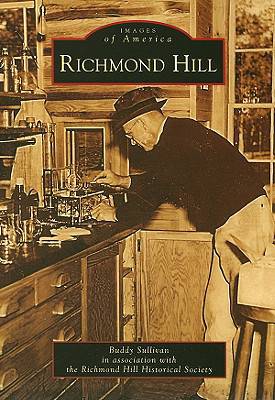
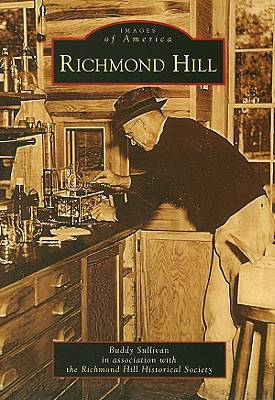
When automotive pioneer Henry Ford burst upon the scene in 1925, Ways Station was hardly more than an assemblage of modest residences, a store or two, and a post office. Spurred by the energies and vision of Ford, an army of agricultural, industrial, medical, and educational experts from Dearborn, Michigan, transformed the area into one of the most productive, vibrant communities on the southern tidewater. Ford employed hundreds of area residents to farm 85,000 acres along the Ogeechee River. He also established sawmills, lumberyards, and agricultural experiment stations. He provided the impetus for schools and educational programs and introduced 20thcentury medicine to the area. By 1941 and the eve of World War II, Ways Station had become Richmond Hill and had attained the peak of its renewed enterprise. Since that time, the community has been called the town Henry Ford built.
Specificaties
Betrokkenen
- Auteur(s):
- Uitgeverij:
Inhoud
- Aantal bladzijden:
- 128
- Taal:
- Engels
- Reeks:
Eigenschappen
- Productcode (EAN):
- 9780738543031
- Verschijningsdatum:
- 27/09/2006
- Uitvoering:
- Paperback
- Formaat:
- Trade paperback (VS)
- Afmetingen:
- 166 mm x 236 mm
- Gewicht:
- 322 g


Alleen bij Standaard Boekhandel
+ 69 punten op je klantenkaart van Standaard Boekhandel
AANGERADEN


Beoordelingen
We publiceren alleen reviews die voldoen aan de voorwaarden voor reviews. Bekijk onze voorwaarden voor reviews.