


- Afhalen na 1 uur in een winkel met voorraad
- Gratis thuislevering in België vanaf € 30
- Ruim aanbod met 7 miljoen producten
- Afhalen na 1 uur in een winkel met voorraad
- Gratis thuislevering in België vanaf € 30
- Ruim aanbod met 7 miljoen producten





€ 90,10
+ 180 punten
Eenvoudig bestellen
Veilig betalen


Gratis thuislevering vanaf € 30 (via bpost)
Gratis levering in je Standaard Boekhandel
Omschrijving
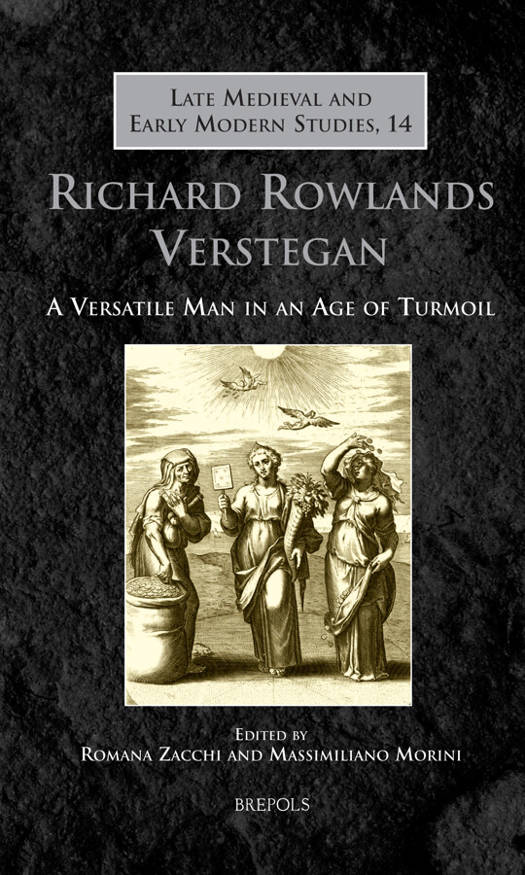
Employing a blend of historical, philological, literary and linguistic methods, Richard Rowlands Verstegan: A Versatile Man in an Age of Turmoil paints a full-bodied portrait of Richard Rowlands Verstegan (or Verstegen, 1550?-1640) - a man whose multiple and variously spelled name reflects a multifaceted public personality. English by birth and upbringing, Dutch by fatherly descent, Verstegan spent most of his life on the Continent, employed intermittently as a Catholic spy, poet, religious translator, polemicist, and philologist. While this many-sidedness is typical of the Renaissance period, some of Verstegan's interests and positions were innovative or extravagant - witness his familiarization of the epigram in the Netherlands (1617), or his description of Teutonic England in the Restitution of Decayed Intelligence (1605). In this collection of essays, Verstegan's life and works are both explored in themselves and as mirrors of his times. As each contributor investigates one or more aspects of Verstegan's careers, a wider perspective is created of English and Dutch religious politics, of the prevailing literary modes and fashions of the period, and of the picture that Europe was beginning to paint for itself. Conversely, this all-encompassing view demonstrates the centrality of a figure who has long been relegated to the margins of English, Dutch, and European history.
Specificaties
Betrokkenen
- Auteur(s):
- Uitgeverij:
Inhoud
- Aantal bladzijden:
- 230
- Taal:
- Engels
- Reeks:
- Reeksnummer:
- nr. 14
Eigenschappen
- Productcode (EAN):
- 9782503535753
- Verschijningsdatum:
- 12/02/2013
- Uitvoering:
- Hardcover
- Formaat:
- Genaaid
- Afmetingen:
- 175 mm x 244 mm
- Gewicht:
- 793 g


Alleen bij Standaard Boekhandel
+ 180 punten op je klantenkaart van Standaard Boekhandel
CADEAU

AANGERADEN


Beoordelingen
We publiceren alleen reviews die voldoen aan de voorwaarden voor reviews. Bekijk onze voorwaarden voor reviews.