



- Afhalen na 1 uur in een winkel met voorraad
- In januari gratis thuislevering in België
- Ruim aanbod met 7 miljoen producten
- Afhalen na 1 uur in een winkel met voorraad
- In januari gratis thuislevering in België
- Ruim aanbod met 7 miljoen producten





€ 84,95
+ 169 punten
Omschrijving
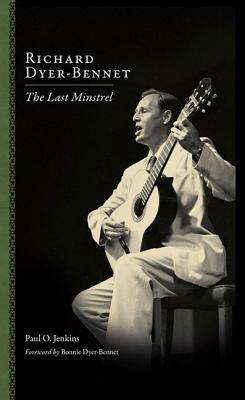
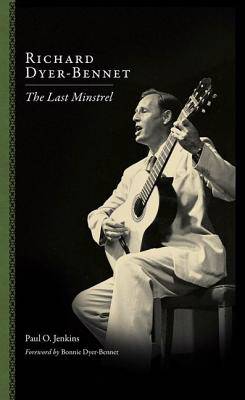
In the 1940s and 1950s, Richard Dyer-Bennet (1913-1991) was among the best known and most respected folk singers in America. Paul O. Jenkins tells, for the first time, the story of Dyer-Bennet, often referred to as the "Twentieth-Century Minstrel." Dyer-Bennet's achievements were many. He became the first solo performer of his kind to appear in Carnegie Hall. This book argues Dyer-Bennet helped pave the way for the folk boom of the mid-1950s and early 1960s. It also posits strong evidence that Dyer-Bennet would certainly be much better known than he is today had his career not been interrupted midstream by the anticommunist, Red-scare blacklist and its ban on his performances. Paul O. Jenkins is the director of library services at College of Mount St. Joseph in Cincinnati, Ohio. He has published articles in Old-Time Herald and College and Research Libraries News. He received the New York Times Academic Librarian Award in 2006. Bonnie Dyer-Bennet is the daughter of Richard Dyer-Bennet.
Specificaties
Betrokkenen
- Auteur(s):
- Uitgeverij:
Inhoud
- Aantal bladzijden:
- 208
- Taal:
- Engels
- Reeks:
Eigenschappen
- Productcode (EAN):
- 9781604733600
- Verschijningsdatum:
- 21/09/2009
- Uitvoering:
- Hardcover
- Formaat:
- Genaaid
- Afmetingen:
- 152 mm x 229 mm
- Gewicht:
- 476 g


Alleen bij Standaard Boekhandel
+ 169 punten op je klantenkaart van Standaard Boekhandel
Cadeau

AANGERADEN


Beoordelingen
We publiceren alleen reviews die voldoen aan de voorwaarden voor reviews. Bekijk onze voorwaarden voor reviews.