


- Afhalen na 1 uur in een winkel met voorraad
- Gratis thuislevering in België vanaf € 30
- Ruim aanbod met 7 miljoen producten
- Afhalen na 1 uur in een winkel met voorraad
- Gratis thuislevering in België vanaf € 30
- Ruim aanbod met 7 miljoen producten





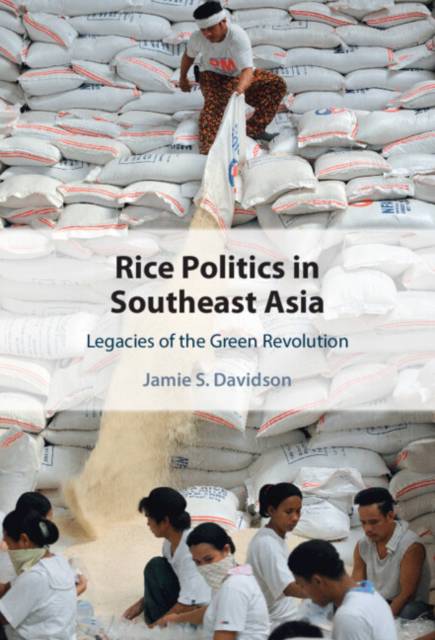
Rice Politics in Southeast Asia
Legacies of the Green Revolution
Jamie S Davidson
Hardcover | Engels
€ 187,45
+ 374 punten
Omschrijving
Rice is the foremost foodstuff in terms of caloric intake for Southeast Asians and for bolstering national food security, yet writings on the region's politics have overlooked the crucial role rice production programs have played in shaping signal political and development outcomes. In this comparative historical analysis, Jamie S. Davidson argues that the performance legitimacy stemming from the Green Revolution of the 1960s and 1970s, along with the formation of rice import regimes, best explain durable rice protectionism in the Philippines, Malaysia, and Indonesia, the region's large rice importers. Even though the direct effects of the Green Revolution eventually faded, he demonstrates that past policy success can inform policymaking for decades after remarkable sectoral performance subsides. This innovative account and its conclusions will be of interest to scholars and students of development studies, comparative political economy and Asian studies.
Specificaties
Betrokkenen
- Auteur(s):
- Uitgeverij:
Inhoud
- Aantal bladzijden:
- 332
- Taal:
- Engels
Eigenschappen
- Productcode (EAN):
- 9781009624640
- Verschijningsdatum:
- 19/02/2026
- Uitvoering:
- Hardcover
- Formaat:
- Genaaid
- Afmetingen:
- 152 mm x 229 mm
- Gewicht:
- 612 g


Alleen bij Standaard Boekhandel
+ 374 punten op je klantenkaart van Standaard Boekhandel
Cadeau

AANGERADEN


Beoordelingen
We publiceren alleen reviews die voldoen aan de voorwaarden voor reviews. Bekijk onze voorwaarden voor reviews.