


- Afhalen na 1 uur in een winkel met voorraad
- Gratis thuislevering in België vanaf € 30
- Ruim aanbod met 7 miljoen producten
- Afhalen na 1 uur in een winkel met voorraad
- Gratis thuislevering in België vanaf € 30
- Ruim aanbod met 7 miljoen producten





€ 305,45
+ 610 punten
Uitvoering
Omschrijving
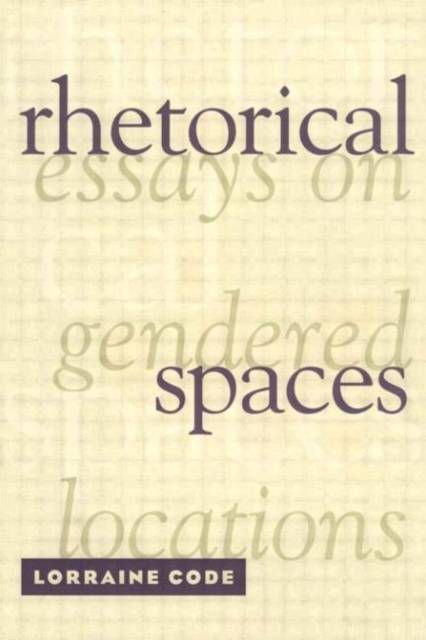
The arguments in this book are informed at once by the moral-political implications of how knowledge is produced and circulated and by issues of gendered subjectivity. In their critical dimension, these lucid essays engage with the incapacity of the philosophical mainstream's dominant epistemologies to offer regulative principles that guide people in the epistemic projects that figure centrally in their lives. In its constructive dimension, RhetoricalSpaces focuses on developing productive, case-by-case analyses of knowing other people in situations where social-political inequalities create asymmetrical patterns of epistemic power and privilege.
Specificaties
Betrokkenen
- Auteur(s):
- Uitgeverij:
Inhoud
- Aantal bladzijden:
- 224
- Taal:
- Engels
Eigenschappen
- Productcode (EAN):
- 9780415909365
- Verschijningsdatum:
- 1/06/1995
- Uitvoering:
- Hardcover
- Formaat:
- Ongenaaid / garenloos gebonden
- Afmetingen:
- 160 mm x 235 mm
- Gewicht:
- 648 g


Alleen bij Standaard Boekhandel
+ 610 punten op je klantenkaart van Standaard Boekhandel
Cadeau

AANGERADEN


Beoordelingen
We publiceren alleen reviews die voldoen aan de voorwaarden voor reviews. Bekijk onze voorwaarden voor reviews.