


- Afhalen na 1 uur in een winkel met voorraad
- Gratis thuislevering in België vanaf € 30
- Ruim aanbod met 7 miljoen producten
- Afhalen na 1 uur in een winkel met voorraad
- Gratis thuislevering in België vanaf € 30
- Ruim aanbod met 7 miljoen producten





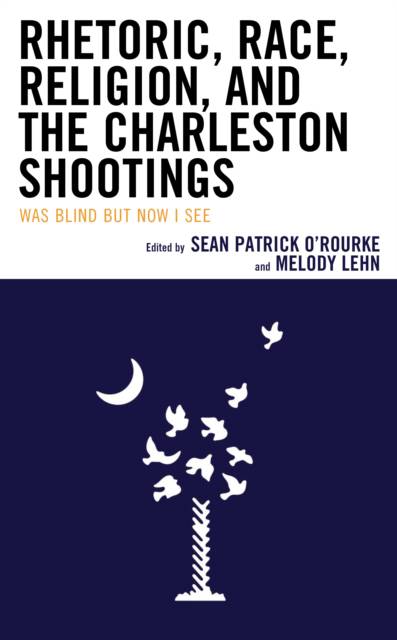
Rhetoric, Race, Religion, and the Charleston Shootings
Was Blind But Now I See
€ 79,95
+ 159 punten
Eenvoudig bestellen
Veilig betalen


Gratis thuislevering vanaf € 30 (via bpost)
Gratis levering in je Standaard Boekhandel
Omschrijving
Rhetoric, Race, Religion, and the Charleston Shootings: Was Blind but Now I See is a collection focusing on the Charleston shootings written by leading scholars in the field who consider the rhetoric surrounding the shootings. This book offers an appraisal of the discourses - speeches, editorials, social media posts, visual images, prayers, songs, silence, demonstrations, and protests - that constituted, contested, and reconstituted the shootings in American civic life and cultural memory. It answers recent calls for local and regional studies and opens new fields of inquiry in the rhetoric, sociology, and history of mass killings, gun violence, and race relations--and it does so while forging new connections between and among on-going scholarly conversations about rhetoric, race, and religion. Contributors argue that Charleston was different from other mass shootings in America, and that this difference was made manifest through what was spoken and unspoken in its rhetorical aftermath. Scholars of race, religion, rhetoric, communication, and sociology will find this book particularly useful.
Specificaties
Betrokkenen
- Uitgeverij:
Inhoud
- Aantal bladzijden:
- 274
- Taal:
- Engels
- Reeks:
Eigenschappen
- Productcode (EAN):
- 9781498550635
- Verschijningsdatum:
- 12/10/2021
- Uitvoering:
- Paperback
- Formaat:
- Trade paperback (VS)
- Afmetingen:
- 152 mm x 229 mm
- Gewicht:
- 403 g

Alleen bij Standaard Boekhandel
+ 159 punten op je klantenkaart van Standaard Boekhandel
CADEAU

AANGERADEN


Beoordelingen
We publiceren alleen reviews die voldoen aan de voorwaarden voor reviews. Bekijk onze voorwaarden voor reviews.