


- Afhalen na 1 uur in een winkel met voorraad
- Gratis thuislevering in België vanaf € 30
- Ruim aanbod met 7 miljoen producten
- Afhalen na 1 uur in een winkel met voorraad
- Gratis thuislevering in België vanaf € 30
- Ruim aanbod met 7 miljoen producten





€ 36,45
+ 72 punten
Omschrijving
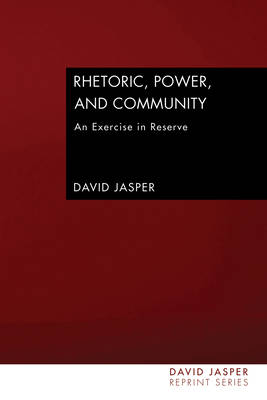
Rhetoric has returned vigorously to the agenda of a number of academic disciplines. Aristotle defended the art of rhetoric, while Plato was suspicious of its manipulative power to persuade. This study examines rhetoric in the context of different kinds of religious texts, from sacred scripture, to liturgy, to contemporary and postmodern writing and religion. How does the believing community negotiate rhetorical power-games which may be exercised upon it, and do we have to be bold to see the ironies and the joke which may be played upon us in the name of the truth of religion? This book is an exercise in rhetoric which is itself suspicious of the rhetorical arts. Its concerns are profoundly theological, though perhaps offensive to theology as it is often practiced in the church and the academy. It offers no conclusion, but perhaps a way of exploring and of looking afresh.
Specificaties
Betrokkenen
- Auteur(s):
- Uitgeverij:
Inhoud
- Aantal bladzijden:
- 184
- Taal:
- Engels
- Reeks:
Eigenschappen
- Productcode (EAN):
- 9781606088319
- Verschijningsdatum:
- 18/06/2009
- Uitvoering:
- Paperback
- Formaat:
- Trade paperback (VS)
- Afmetingen:
- 150 mm x 226 mm
- Gewicht:
- 249 g


Alleen bij Standaard Boekhandel
+ 72 punten op je klantenkaart van Standaard Boekhandel
Cadeau

AANGERADEN


Beoordelingen
We publiceren alleen reviews die voldoen aan de voorwaarden voor reviews. Bekijk onze voorwaarden voor reviews.