


- Afhalen na 1 uur in een winkel met voorraad
- Gratis thuislevering in België vanaf € 30
- Ruim aanbod met 7 miljoen producten
- Afhalen na 1 uur in een winkel met voorraad
- Gratis thuislevering in België vanaf € 30
- Ruim aanbod met 7 miljoen producten





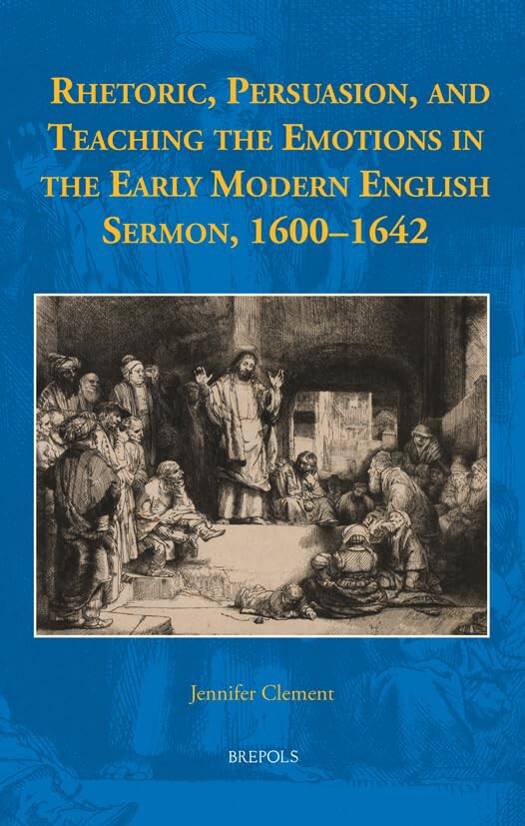
Rhetoric, Persuasion, and Teaching the Emotions in the Early Modern English Sermon, 1600-1642
Jennifer Clement
€ 84,80
+ 169 punten
Omschrijving
The early seventeenth-century English sermon was the bestselling print genre of its time, and church preaching was more widely attended than any play. Jennifer Clement argues here that a major aim of these sermons was to teach people how to feel the right emotions - or, as preachers would have said at the time, the passions or affections - to lead a good Christian life. In the process, preachers took a primarily rhetorical approach to the emotions; that is, they used their sermons to define emotions and to encourage their listeners and readers actively to cultivate and shape their emotions in line with Scripture. This study offers an overview of five key emotions - love, fear, anger, grief, and joy - in the sermons of key preachers such as John Donne, Richard Sibbes, Joseph Hall, Launcelot Andrewes, and others. It shows how these preachers engaged with contemporary treatises on the emotions as well as treatises on preaching to highlight the importance of the rhetorical, as opposed to the humoral, approach to understanding the emotions in a religious context. In addition, Clement reads sermons next to early seventeenth-century religious poetry by writers such as Donne, George Herbert, Amelia Lanyer, and Henry Vaughan to show how the emotional concerns of the sermons also appear in the poetry, reverberating beyond the pulpit. Bringing together rhetorical theory, sermon studies, and the history of the emotions, Clement shows how the early seventeenth-century English sermon needs to inform our thinking about literature and its engagement with emotion in this period.
Specificaties
Betrokkenen
- Auteur(s):
- Uitgeverij:
Inhoud
- Aantal bladzijden:
- 203
- Taal:
- Engels
- Reeks:
- Reeksnummer:
- nr. 23
Eigenschappen
- Productcode (EAN):
- 9782503614328
- Verschijningsdatum:
- 27/03/2025
- Uitvoering:
- Hardcover
- Formaat:
- Genaaid
- Afmetingen:
- 156 mm x 234 mm
- Gewicht:
- 1465 g


Alleen bij Standaard Boekhandel
+ 169 punten op je klantenkaart van Standaard Boekhandel
AANGERADEN


Beoordelingen
We publiceren alleen reviews die voldoen aan de voorwaarden voor reviews. Bekijk onze voorwaarden voor reviews.