


- Afhalen na 1 uur in een winkel met voorraad
- Gratis thuislevering in België vanaf € 30
- Ruim aanbod met 7 miljoen producten
- Afhalen na 1 uur in een winkel met voorraad
- Gratis thuislevering in België vanaf € 30
- Ruim aanbod met 7 miljoen producten





€ 186,95
+ 373 punten
Omschrijving
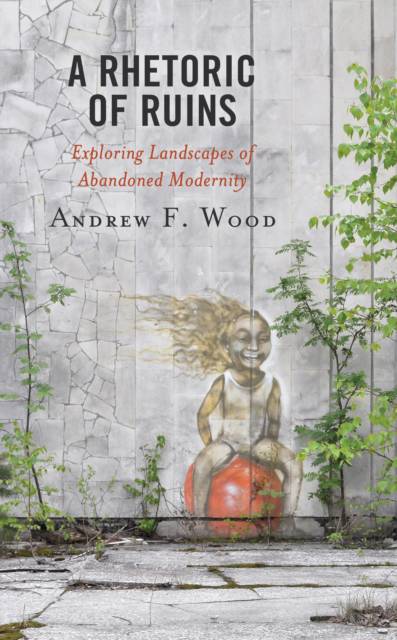
A Rhetoric of Ruins contributes to an interdisciplinary conversation about the role of wrecked and abandoned places in modern life. Topics in this book stretch from retro- and post-human futures to a Jeremiadic analysis of the role of ruins in American presidential discourse. From that foundation, A Rhetoric of Ruins employs hauntology to visit a California ghost-town, psychogeography to confront Detroit ruins, heterochrony to survey Pennsylvania's once (and future) Graffiti Highway, an expanded articulation of heterotopia to explore the pleasurable contamination of Chernobyl, and an evening in Turkmenistan's Doorway to Hell that stretches across time from Homer's Iliad to Little Richard's "Long Tall Sally." Written to engage scholars and students of communication studies, cultural geography, anthropology, landscape studies, performance studies, public memory, urban studies, and tourism studies, A Rhetoric of Ruins is a conceptually rich and vividly written account of how broken and derelict places help us manage our fears in the modern era.
Specificaties
Betrokkenen
- Auteur(s):
- Uitgeverij:
Inhoud
- Aantal bladzijden:
- 218
- Taal:
- Engels
- Reeks:
Eigenschappen
- Productcode (EAN):
- 9781793611512
- Verschijningsdatum:
- 15/09/2021
- Uitvoering:
- Hardcover
- Formaat:
- Genaaid
- Afmetingen:
- 152 mm x 229 mm
- Gewicht:
- 489 g


Alleen bij Standaard Boekhandel
+ 373 punten op je klantenkaart van Standaard Boekhandel
Cadeau

AANGERADEN


Beoordelingen
We publiceren alleen reviews die voldoen aan de voorwaarden voor reviews. Bekijk onze voorwaarden voor reviews.