


- Afhalen na 1 uur in een winkel met voorraad
- Gratis thuislevering in België vanaf € 30
- Ruim aanbod met 7 miljoen producten
- Afhalen na 1 uur in een winkel met voorraad
- Gratis thuislevering in België vanaf € 30
- Ruim aanbod met 7 miljoen producten





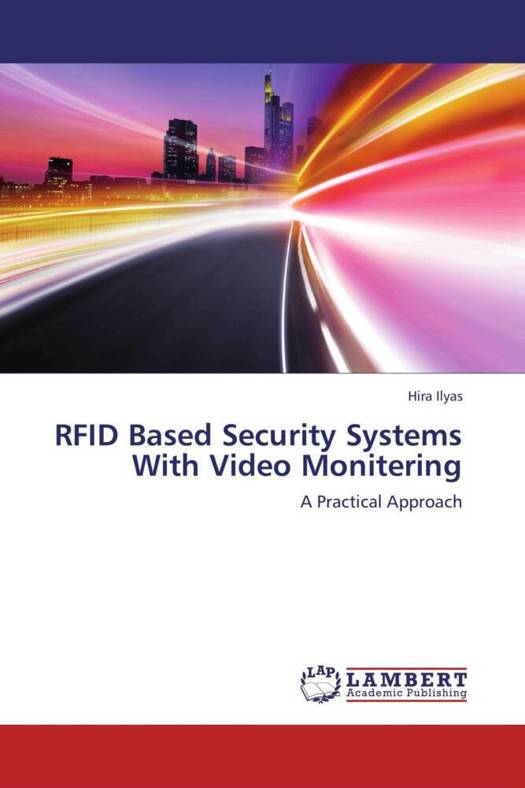
RFID Based Security Systems With Video Monitering
A Practical Approach
Hira Ilyas
Paperback | Engels
€ 48,45
+ 96 punten
Omschrijving
Radio frequency identification (RFID) is a term that is used to describe a system that is used to identify (in the form of a unique serial number) object or person wirelessly, using radio waves. RFID technology is grouped under the broad category of automatic identification technologies. With RFID, the electromagnetic or electrostatic coupling in the RF portion of the electromagnetic spectrum is used to transmit signals. An RFID system consists of an antenna and a transceiver, which read the radio frequency and transmit the information to a processing device, and a transponder, or tag, which is an integrated circuit containing information to be transmitted and the RF circuitry. In Radio-frequency identification (RFID) the tag is used for an object (typically referred to as an RFID tag) a product, animal, or person for the purpose of identification and tracking using radio waves. Some tags can be read from several meters away and beyond the line of sight of the reader.
Specificaties
Betrokkenen
- Auteur(s):
- Uitgeverij:
Inhoud
- Aantal bladzijden:
- 92
- Taal:
- Engels
Eigenschappen
- Productcode (EAN):
- 9783659203169
- Verschijningsdatum:
- 24/11/2012
- Uitvoering:
- Paperback
- Afmetingen:
- 150 mm x 220 mm
- Gewicht:
- 145 g


Alleen bij Standaard Boekhandel
+ 96 punten op je klantenkaart van Standaard Boekhandel
Cadeau

AANGERADEN


Beoordelingen
We publiceren alleen reviews die voldoen aan de voorwaarden voor reviews. Bekijk onze voorwaarden voor reviews.