


- Afhalen na 1 uur in een winkel met voorraad
- Gratis thuislevering in België vanaf € 30
- Ruim aanbod met 7 miljoen producten
- Afhalen na 1 uur in een winkel met voorraad
- Gratis thuislevering in België vanaf € 30
- Ruim aanbod met 7 miljoen producten





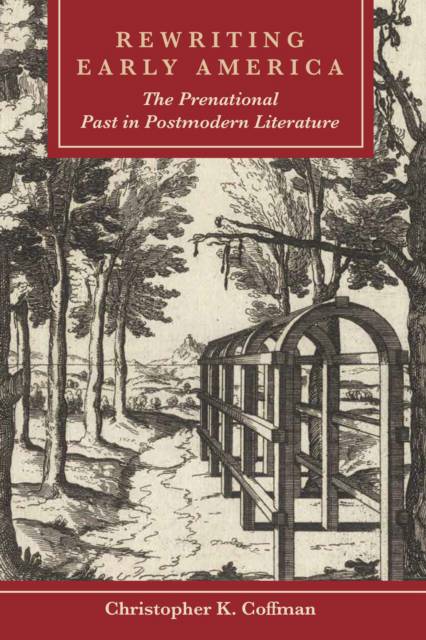
Rewriting Early America
The Prenational Past in Postmodern Literature
Christopher K Coffman
Hardcover | Engels
€ 195,45
+ 390 punten
Uitvoering
Omschrijving
Recent poems and fictions set in the early Americas are typically read as affirmations of cultural norms, as evidence of the impossibility of genuine engagement with the historical past, or as contentious repudiations of received histories. Inspired particularly by Mihai Spariosu's arguments regarding literary playfulness as an opening to peace, Rewriting Early America: The Prenational Past in Postmodern Literature adopts a different perspective, with the goal of demonstrating that many recent literary texts undertake more constructive and hopeful projects with regard to the American past than critics usually recognize. While honoring writers' pervasive critiques of hegemony, this volume trades a preoccupation with antagonism for an interest in restoration and recuperation. It describes how texts by John Barth, John Berryman, Susan Howe, Toni Morrison, Paul Muldoon, Thomas Pynchon, and William T. Vollmann harness the ambiguities of the colonial past to find sociocultural possibilities that operate beyond the workings of power and outside the politics of difference. Throughout, this book remains devoted to uncovering the moments at which contemporary writers proffer visions of American communities defined not by marginalization and oppression, but by responsive understanding and inclusion.
Specificaties
Betrokkenen
- Auteur(s):
- Uitgeverij:
Inhoud
- Aantal bladzijden:
- 186
- Taal:
- Engels
Eigenschappen
- Productcode (EAN):
- 9781611462555
- Verschijningsdatum:
- 1/02/2019
- Uitvoering:
- Hardcover
- Formaat:
- Genaaid
- Afmetingen:
- 157 mm x 231 mm
- Gewicht:
- 408 g


Alleen bij Standaard Boekhandel
+ 390 punten op je klantenkaart van Standaard Boekhandel
Cadeau

AANGERADEN


Beoordelingen
We publiceren alleen reviews die voldoen aan de voorwaarden voor reviews. Bekijk onze voorwaarden voor reviews.