


- Afhalen na 1 uur in een winkel met voorraad
- Gratis thuislevering in België vanaf € 30
- Ruim aanbod met 7 miljoen producten
- Afhalen na 1 uur in een winkel met voorraad
- Gratis thuislevering in België vanaf € 30
- Ruim aanbod met 7 miljoen producten





€ 220,45
+ 440 punten
Omschrijving
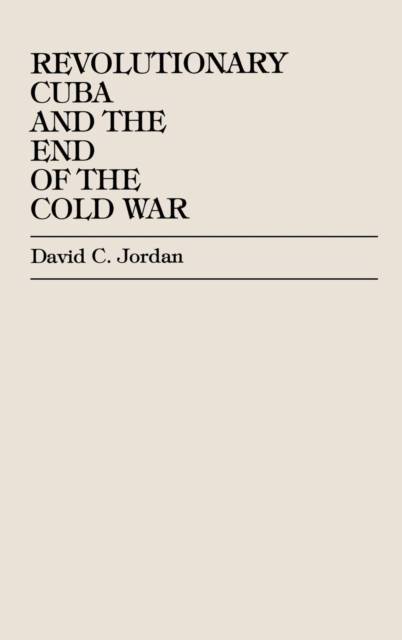
There has been much speculation about Castro and Cuba's future and the state of U.S.óCuban relations in the post Cold War environment. This study analyzes the forces which brought Castro to power and sustained his control. Jordan discusses Cuba's historic nationalist and dependency problems, the unique Castro personality, Soviet strategy, and U.S. policy in reaction to these issues. With the demise of the Soviet Union, one main pillar of the Castro regime has been removed but he still continues to maintain control. This book discusses the current situation and argues that the objective of U.S. policy toward Cuba should be to assist and encourage a regime transition which would allow Cuban people to exercise political and economic freedom. Jordan examines the prospects for assisting a Cuban transition to a constitutional democracy and requirements for a healthy and competitive economy.
Specificaties
Betrokkenen
- Auteur(s):
- Uitgeverij:
Inhoud
- Aantal bladzijden:
- 284
- Taal:
- Engels
Eigenschappen
- Productcode (EAN):
- 9780819189981
- Verschijningsdatum:
- 16/03/1993
- Uitvoering:
- Hardcover
- Formaat:
- Genaaid
- Afmetingen:
- 156 mm x 234 mm
- Gewicht:
- 576 g


Alleen bij Standaard Boekhandel
+ 440 punten op je klantenkaart van Standaard Boekhandel
Cadeau

AANGERADEN


Beoordelingen
We publiceren alleen reviews die voldoen aan de voorwaarden voor reviews. Bekijk onze voorwaarden voor reviews.