


- Afhalen na 1 uur in een winkel met voorraad
- Gratis thuislevering in België vanaf € 30
- Ruim aanbod met 7 miljoen producten
- Afhalen na 1 uur in een winkel met voorraad
- Gratis thuislevering in België vanaf € 30
- Ruim aanbod met 7 miljoen producten





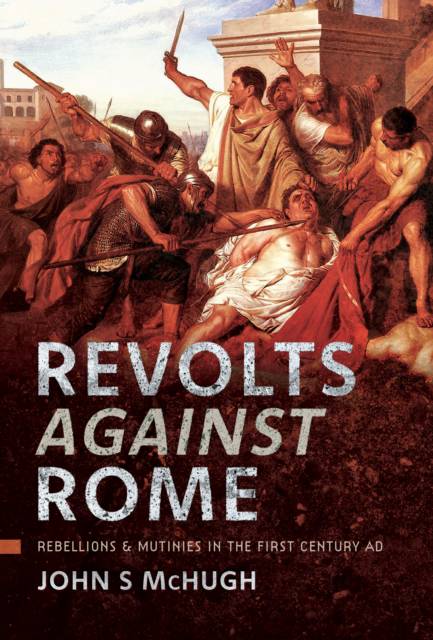
Revolts Against Rome
Rebellions and Mutinies in the First Century AD
John S McHugh
Hardcover | Engels
€ 34,95
+ 69 punten
Eenvoudig bestellen
Veilig betalen


Gratis thuislevering vanaf € 30 (via bpost)
Gratis levering in je Standaard Boekhandel
Omschrijving
"...nicely written..." - Historical Miniatures Gaming Society
Throughout the first century AD, the emperors of Rome faced various threats to their rule from ambitious or embittered nobles. However, events show the Roman legionaries to be tenaciously loyal to the Julio-Claudian dynasty. The murder of Nero, the last of his dynasty, unleashed chaos where allegiance was bought by 'the madness of the leading men.' The troops, increasingly recruited from men who had never seen Italy, were often happy to draw their swords in support of a provincial governor against an emperor who was himself a victorious usurper. If successful in raising their own candidate to 'the purple' they could expect the gratitude to be tangible and spendable. Mutinies were rare and often caused by changes to conditions of service or harsh discipline which demeaned the soldier's status and honour. This is the story of the common soldier and their often ruthless and brutal commanders.
John McHugh examines each of the major cases of armed rebellion or military mutiny during the first century. Skilfully intertwined with the narrative of these dramatic and usually bloody events is his analysis of the underlying causes and the varying degrees of success in the face of the Imperial response to these threats.
Throughout the first century AD, the emperors of Rome faced various threats to their rule from ambitious or embittered nobles. However, events show the Roman legionaries to be tenaciously loyal to the Julio-Claudian dynasty. The murder of Nero, the last of his dynasty, unleashed chaos where allegiance was bought by 'the madness of the leading men.' The troops, increasingly recruited from men who had never seen Italy, were often happy to draw their swords in support of a provincial governor against an emperor who was himself a victorious usurper. If successful in raising their own candidate to 'the purple' they could expect the gratitude to be tangible and spendable. Mutinies were rare and often caused by changes to conditions of service or harsh discipline which demeaned the soldier's status and honour. This is the story of the common soldier and their often ruthless and brutal commanders.
John McHugh examines each of the major cases of armed rebellion or military mutiny during the first century. Skilfully intertwined with the narrative of these dramatic and usually bloody events is his analysis of the underlying causes and the varying degrees of success in the face of the Imperial response to these threats.
Specificaties
Betrokkenen
- Auteur(s):
- Uitgeverij:
Inhoud
- Aantal bladzijden:
- 240
- Taal:
- Engels
Eigenschappen
- Productcode (EAN):
- 9781399031967
- Verschijningsdatum:
- 30/09/2025
- Uitvoering:
- Hardcover
- Formaat:
- Genaaid
- Afmetingen:
- 155 mm x 236 mm
- Gewicht:
- 521 g



Alleen bij Standaard Boekhandel
+ 69 punten op je klantenkaart van Standaard Boekhandel
CADEAU

AANGERADEN


Beoordelingen
We publiceren alleen reviews die voldoen aan de voorwaarden voor reviews. Bekijk onze voorwaarden voor reviews.