


- Afhalen na 1 uur in een winkel met voorraad
- Gratis thuislevering in België vanaf € 30
- Ruim aanbod met 7 miljoen producten
- Afhalen na 1 uur in een winkel met voorraad
- Gratis thuislevering in België vanaf € 30
- Ruim aanbod met 7 miljoen producten





€ 187,45
+ 374 punten
Omschrijving
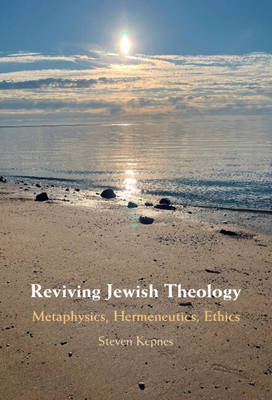
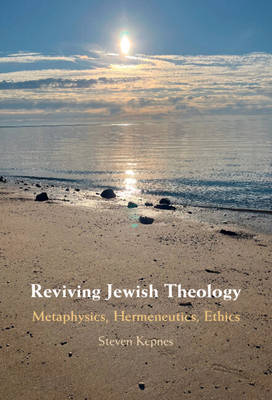
In this study, Steven Kepnes constructs a 'positive' Jewish theology, one that gives expression to God's nature and powers and that opposes 'apophatic' Holocaust and postmodern theologies that deny the ability of language to express God's nature. Drawing from the Pentateuch, Prophets, and Jewish prayer, Kepnes also uses methods from medieval philosophy, analytic philosophy, and hermeneutics. From medieval philosophy and the Bible, Kepnes develops what he calls a 'soft' metaphysics with principles of God and the revealed Torah at its center. Identifying a fundamental contradiction between the transcendent God of philosophy and the personal God of the Bible, he demonstrates how analytic philosophy, Jewish hermeneutics, and Jewish liturgy offer constructive strategies to negotiate this contradiction. Kepnes also argues that Jewish theology can neither remain in the domain of metaphysics nor the nature of God, but must turn toward the practical and ethical. He concludes with a call for a prophetic theological ethics to address the pressing issue of climate change.
Specificaties
Betrokkenen
- Auteur(s):
- Uitgeverij:
Inhoud
- Aantal bladzijden:
- 318
- Taal:
- Engels
Eigenschappen
- Productcode (EAN):
- 9781009399708
- Verschijningsdatum:
- 04/12/2025
- Uitvoering:
- Hardcover
- Formaat:
- Genaaid
- Afmetingen:
- 152 mm x 229 mm
- Gewicht:
- 594 g


Alleen bij Standaard Boekhandel
+ 374 punten op je klantenkaart van Standaard Boekhandel
Cadeau

AANGERADEN


Beoordelingen
We publiceren alleen reviews die voldoen aan de voorwaarden voor reviews. Bekijk onze voorwaarden voor reviews.