


- Afhalen na 1 uur in een winkel met voorraad
- Gratis thuislevering in België vanaf € 30
- Ruim aanbod met 7 miljoen producten
- Afhalen na 1 uur in een winkel met voorraad
- Gratis thuislevering in België vanaf € 30
- Ruim aanbod met 7 miljoen producten





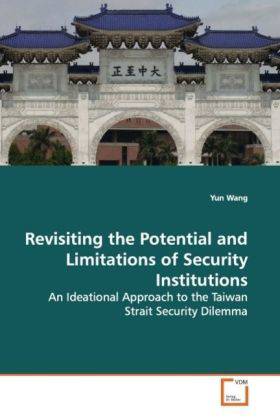
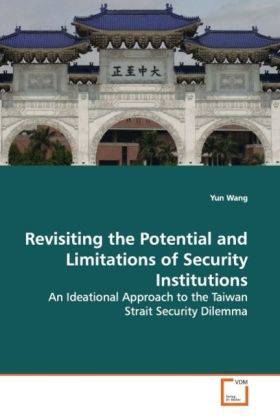
Revisiting the Potential and Limitations of Security Institutions
An Ideational Approach to the Taiwan Strait Security Dilemma
Yun Wang
Paperback | Engels
€ 58,45
+ 116 punten
Omschrijving
Current literature on institutionalism tends to promise that as the vigor and intensity of formal institutions increase, conflicting transnational relations will decrease. However, security hot spots like Taiwan Strait show that even though the rivals are notably integrated and institutionalized, political conflicts have not eased. Nevertheless, war is absent for half a century. A possible answer to this dilemma is recognizing that there is a tacit, informal, and fragile framework of international norms that works beyond "cheap talks." Tacit norms are essential for building political confidence before those who disagree can found a negotiation upon them. To identify this unspoken norm-building process, this book provides a dual- level analytical approach through ideational perspectives. This new approach highlights the critical effects of cognitive factors such as identity, ideology, and their local host, political groups in the institutionalization process. The book offers a fresh comparative view of security studies and it endeavors to inspire new ways of thinking about conflict resolution and peacemaking policies.
Specificaties
Betrokkenen
- Auteur(s):
- Uitgeverij:
Inhoud
- Aantal bladzijden:
- 156
- Taal:
- Engels
Eigenschappen
- Productcode (EAN):
- 9783639144628
- Verschijningsdatum:
- 29/04/2009
- Uitvoering:
- Paperback
- Formaat:
- Trade paperback (VS)
- Afmetingen:
- 152 mm x 229 mm
- Gewicht:
- 235 g


Alleen bij Standaard Boekhandel
+ 116 punten op je klantenkaart van Standaard Boekhandel
AANGERADEN


Beoordelingen
We publiceren alleen reviews die voldoen aan de voorwaarden voor reviews. Bekijk onze voorwaarden voor reviews.