


- Afhalen na 1 uur in een winkel met voorraad
- Gratis thuislevering in België vanaf € 30
- Ruim aanbod met 7 miljoen producten
- Afhalen na 1 uur in een winkel met voorraad
- Gratis thuislevering in België vanaf € 30
- Ruim aanbod met 7 miljoen producten





Omschrijving
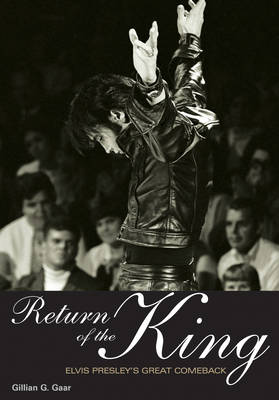
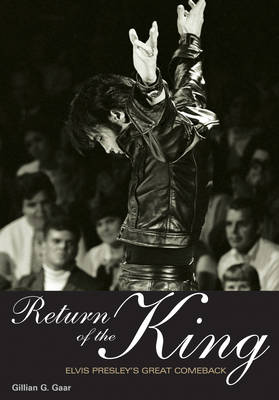
(Book). On January 1, 1967, a contract between "Colonel" Tom Parker and his sole client, Elvis Presley, gave Parker a 50 percent cut of profits that Presley generated. It was a shameless grab for a bigger piece of a pie that had actually been shrinking for some time. Though Parker's plan to reestablish Presley as a star after he left the army proved successful at first (with the triumph of films like G.I. Blues and Blue Hawaii ), by 1967 Presley's singles struggled to break the top 20, and he hadn't hit number one for six years. Amazingly, by the end of 1968 he was artistically revitalized, reemerging in a TV comeback special and slimmed down for the now-iconic black leather suit. It was the pivotal moment of the second great period of Presley's career, which lasted through to the end of 1970, during which he recorded some of his most enduring records, including "Suspicious Minds" and "In the Ghetto." Return of the King document's Presley reclamation of his crown, making an extraordinary transition from fading balladeer to engaged, vital artist.
Specificaties
Betrokkenen
- Auteur(s):
- Uitgeverij:
Inhoud
- Aantal bladzijden:
- 272
- Taal:
- Engels
- Reeks:
Eigenschappen
- Productcode (EAN):
- 9781906002282
- Verschijningsdatum:
- 15/05/2010
- Uitvoering:
- Paperback
- Formaat:
- Trade paperback (VS)
- Afmetingen:
- 150 mm x 213 mm
- Gewicht:
- 657 g


Alleen bij Standaard Boekhandel
+ 55 punten op je klantenkaart van Standaard Boekhandel
Wedstrijd


Beoordelingen
We publiceren alleen reviews die voldoen aan de voorwaarden voor reviews. Bekijk onze voorwaarden voor reviews.