


- Afhalen na 1 uur in een winkel met voorraad
- Gratis thuislevering in België vanaf € 30
- Ruim aanbod met 7 miljoen producten
- Afhalen na 1 uur in een winkel met voorraad
- Gratis thuislevering in België vanaf € 30
- Ruim aanbod met 7 miljoen producten





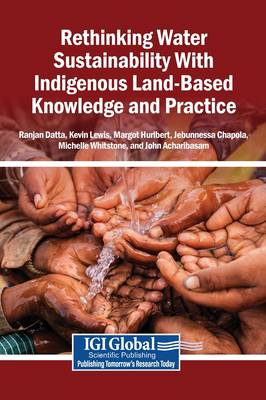
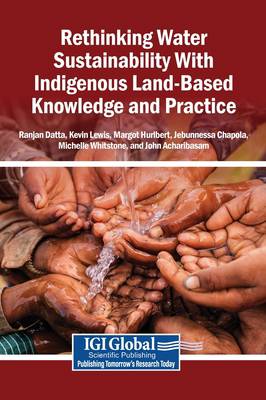
Rethinking Water Sustainability With Indigenous Land-Based Knowledge and Practice
Ranjan Datta, Kevin Lewis, Margot Hurlbert
Hardcover | Engels
€ 241,95
+ 483 punten
Uitvoering
Omschrijving
As global water and energy systems face pressure from climate change, resource depletion, and inequitable access, traditional approaches to sustainability are challenged. Rethinking these systems requires turning toward Indigenous land-based knowledge and practices, which emphasize reciprocity, balance, and stewardship. Rooted in deep relationships with ecosystems, Indigenous perspectives offer holistic frameworks that integrate environmental, cultural, and spiritual dimensions of sustainability. By valuing these knowledge systems alongside scientific and technological innovation, societies can develop more resilient, ethical, and land-based solutions to the challenges of water and energy sustainability. Rethinking Water Sustainability With Indigenous Land-Based Knowledge and Practice explores Indigenous perspectives that contribute to Indigenous environmental sustainability. It advocates for socio-environmental justice and cross-cultural sustainability for Indigenous language revitalization, intercultural bridge-building, and relational networks that honor Indigenous sovereignty and foster deep, land-based connections. This book covers topics such as sustainable development, cultural studies, and water management, and is a useful resource for engineers, sociologists, academicians, researchers, and environmental scientists.
Specificaties
Betrokkenen
- Auteur(s):
- Uitgeverij:
Inhoud
- Aantal bladzijden:
- 300
- Taal:
- Engels
Eigenschappen
- Productcode (EAN):
- 9798337375595
- Verschijningsdatum:
- 10/04/2026
- Uitvoering:
- Hardcover
- Formaat:
- Genaaid
- Afmetingen:
- 178 mm x 254 mm
- Gewicht:
- 666 g


Alleen bij Standaard Boekhandel
+ 483 punten op je klantenkaart van Standaard Boekhandel
Cadeau

AANGERADEN


Beoordelingen
We publiceren alleen reviews die voldoen aan de voorwaarden voor reviews. Bekijk onze voorwaarden voor reviews.