



Je cadeautjes zeker op tijd in huis hebben voor de feestdagen? Kom langs in onze winkels en vind het perfecte geschenk!
- Afhalen na 1 uur in een winkel met voorraad
- Gratis thuislevering in België vanaf € 30
- Ruim aanbod met 7 miljoen producten
Je cadeautjes zeker op tijd in huis hebben voor de feestdagen? Kom langs in onze winkels en vind het perfecte geschenk!
- Afhalen na 1 uur in een winkel met voorraad
- Gratis thuislevering in België vanaf € 30
- Ruim aanbod met 7 miljoen producten





€ 209,45
+ 418 punten
Uitvoering
Omschrijving
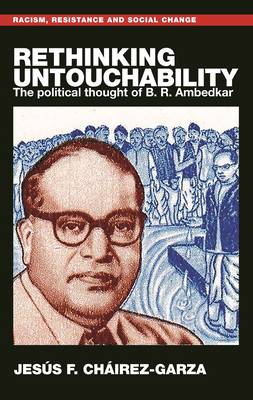
This book examines the transformation of untouchability into a political idea in India during the first half of the twentieth century. At its heart is Ambedkar's role and the concepts he used to champion untouchability as a political problem. Ambedkar's main objective was to comprehend the numerous avatars of untouchability in order to eradicate this practice. Ambedkar understood untouchability beyond aspects of ritual purity and pollution by stressing its complex nature and uncovering the political, historical, racial, spatial and emotional characteristics contained in this concept. Ambedkar believed the abolition of untouchability depended on a widespread alteration of India's political, economic and cultural systems. Ambedkar reframed the problem of untouchability by linking it to larger concepts floating in the political environment of late colonial India such as representation, slavery, race, the Indian village, internationalism and even the creation of Pakistan.
Specificaties
Betrokkenen
- Auteur(s):
- Uitgeverij:
Inhoud
- Aantal bladzijden:
- 256
- Taal:
- Engels
- Reeks:
Eigenschappen
- Productcode (EAN):
- 9781526168726
- Verschijningsdatum:
- 12/03/2024
- Uitvoering:
- Hardcover
- Formaat:
- Genaaid
- Afmetingen:
- 156 mm x 234 mm
- Gewicht:
- 530 g


Alleen bij Standaard Boekhandel
+ 418 punten op je klantenkaart van Standaard Boekhandel
CADEAU


Beoordelingen
We publiceren alleen reviews die voldoen aan de voorwaarden voor reviews. Bekijk onze voorwaarden voor reviews.