


- Afhalen na 1 uur in een winkel met voorraad
- Gratis thuislevering in België vanaf € 30
- Ruim aanbod met 7 miljoen producten
- Afhalen na 1 uur in een winkel met voorraad
- Gratis thuislevering in België vanaf € 30
- Ruim aanbod met 7 miljoen producten





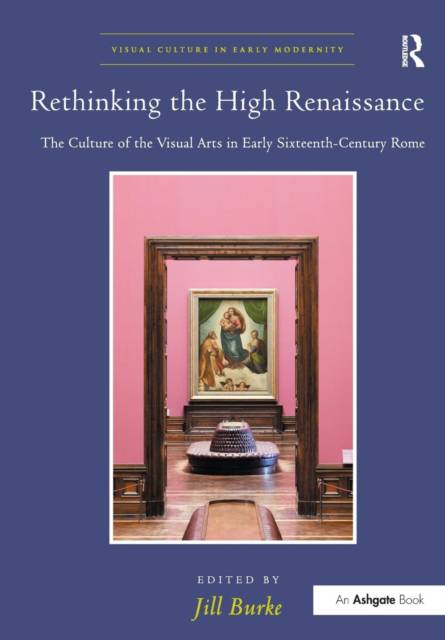
Rethinking the High Renaissance
The Culture of the Visual Arts in Early Sixteenth-Century Rome
€ 122,45
+ 244 punten
Eenvoudig bestellen
Veilig betalen


Gratis thuislevering vanaf € 30 (via bpost)
Gratis levering in je Standaard Boekhandel
Omschrijving
The perception that the early sixteenth century saw a culmination of the Renaissance classical revival - only to degrade into mannerism shortly after Raphael's death in 1520 - has been extremely tenacious; but many scholars agree that this tidy narrative is deeply problematic. Exploring how we can reconceptualize the High Renaissance in a way that reflects how we research and teach today, this volume complicates and deepens our understanding of artistic change. Focusing on Rome, the paradigmatic centre of the High Renaissance narrative, each essay presents a case study of a particular aspect of the culture of the city in the early sixteenth century, including new analyses of Raphael's stanze, Michelangelo's Sistine Ceiling and the architectural designs of Bramante. The contributors question notions of periodization, reconsider the Renaissance relationship with classical antiquity, and ultimately reconfigure our understanding of 'high Renaissance style'.
Specificaties
Betrokkenen
- Uitgeverij:
Inhoud
- Aantal bladzijden:
- 408
- Taal:
- Engels
- Reeks:
Eigenschappen
- Productcode (EAN):
- 9781138272668
- Verschijningsdatum:
- 11/11/2016
- Uitvoering:
- Paperback
- Formaat:
- Trade paperback (VS)
- Afmetingen:
- 170 mm x 244 mm
- Gewicht:
- 648 g

Alleen bij Standaard Boekhandel
+ 244 punten op je klantenkaart van Standaard Boekhandel
CADEAU

AANGERADEN


Beoordelingen
We publiceren alleen reviews die voldoen aan de voorwaarden voor reviews. Bekijk onze voorwaarden voor reviews.