


- Afhalen na 1 uur in een winkel met voorraad
- Gratis thuislevering in België vanaf € 30
- Ruim aanbod met 7 miljoen producten
- Afhalen na 1 uur in een winkel met voorraad
- Gratis thuislevering in België vanaf € 30
- Ruim aanbod met 7 miljoen producten





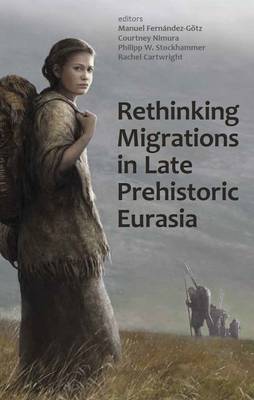
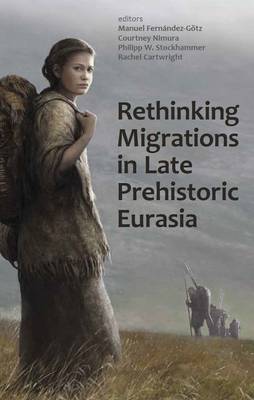
Rethinking Migrations in Late Prehistoric Eurasia
Manuel Fernández- Götz, Courtney Nimura, Philipp W Stockhammer
€ 142,95
+ 285 punten
Omschrijving
Migrations constitute one of the most defining features of human history from the very beginning to the present. In recent years, the increasing application of ancient DNA and isotope studies has been revolutionising our understanding of past population movements, although the interpretation of the results is often still controversial. Rethinking Migrations in Late Prehistoric Eurasia provides an insight into cutting-edge research on late prehistoric migrations in Eurasia, integrating different strands of evidence and emphasising the need for combining bioarchaeological analyses with a solid theoretical and methodological background. The 15 chapters within the book range from the 3rd to the 1st millennia BC, with a geographical scope extending from Atlantic Europe to Central Asia. Case studies include a reassessment of large-scale migrations, but also high-resolution studies from micro-regions. Overall, the results offered in the volume reveal the extraordinary diversity of migrations in ancient Eurasia and the ways in which archaeology can contribute to wider discussions on past and present mobility.
Specificaties
Betrokkenen
- Auteur(s):
- Uitgeverij:
Inhoud
- Aantal bladzijden:
- 336
- Taal:
- Engels
- Reeks:
- Reeksnummer:
- nr. 254
Eigenschappen
- Productcode (EAN):
- 9780197267356
- Verschijningsdatum:
- 22/03/2023
- Uitvoering:
- Hardcover
- Formaat:
- Genaaid
- Afmetingen:
- 162 mm x 240 mm
- Gewicht:
- 929 g


Alleen bij Standaard Boekhandel
+ 285 punten op je klantenkaart van Standaard Boekhandel
CADEAU

AANGERADEN


Beoordelingen
We publiceren alleen reviews die voldoen aan de voorwaarden voor reviews. Bekijk onze voorwaarden voor reviews.