


- Afhalen na 1 uur in een winkel met voorraad
- Gratis thuislevering in België vanaf € 30
- Ruim aanbod met 7 miljoen producten
- Afhalen na 1 uur in een winkel met voorraad
- Gratis thuislevering in België vanaf € 30
- Ruim aanbod met 7 miljoen producten





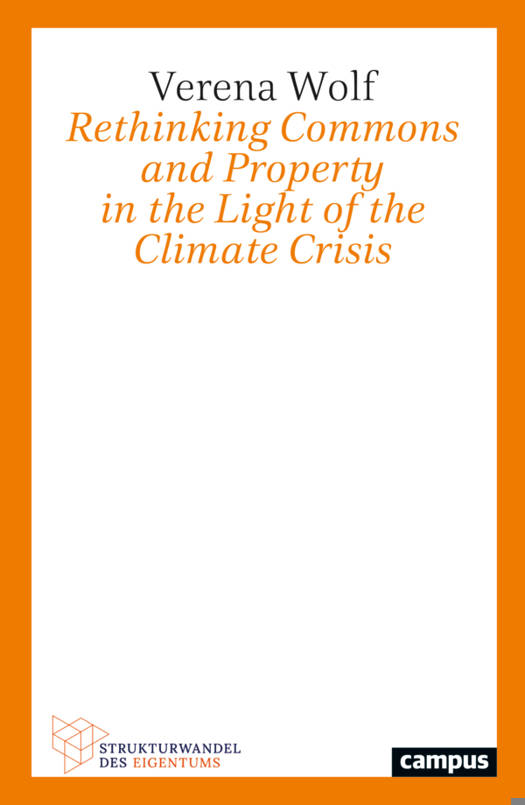
Rethinking Commons and Property in the Light of the Climate Crisis
Verena Wolf
€ 38,95
+ 77 punten
Omschrijving
The climate crisis unfolds as a twin crisis of ecological degradation and global inequality. To address this crisis, international law has framed the atmosphere as a global commons, which is a shared resource domain that is disproportionately overused and affects those first and hardest who have contributed the least to it.Taking the legal framing as its starting point, Verena Wolf analyzes how the overuse of the commons is regulated, focusing on the role of private property rights. In mainstream economic approaches, private property rights are the main tool to prevent the depletion of the commons and their shared resources. But does privatizing the commons resolve either ecological or social crises? Or should we rethink both commons theory and property theory? This study reframes the failure to mitigate the climate crisis as a failure of private property.https://creativecommons.org/licenses/by-nc-sa/4.0/legalcode
Specificaties
Betrokkenen
- Auteur(s):
- Uitgeverij:
Inhoud
- Taal:
- Engels
- Reeks:
- Reeksnummer:
- nr. 13
Eigenschappen
- Productcode (EAN):
- 9783593522470
- Verschijningsdatum:
- 19/11/2026
- Uitvoering:
- Paperback
- Afmetingen:
- 150 mm x 230 mm


Alleen bij Standaard Boekhandel
+ 77 punten op je klantenkaart van Standaard Boekhandel
Cadeau

AANGERADEN


Beoordelingen
We publiceren alleen reviews die voldoen aan de voorwaarden voor reviews. Bekijk onze voorwaarden voor reviews.