


- Afhalen na 1 uur in een winkel met voorraad
- Gratis thuislevering in België vanaf € 30
- Ruim aanbod met 7 miljoen producten
- Afhalen na 1 uur in een winkel met voorraad
- Gratis thuislevering in België vanaf € 30
- Ruim aanbod met 7 miljoen producten






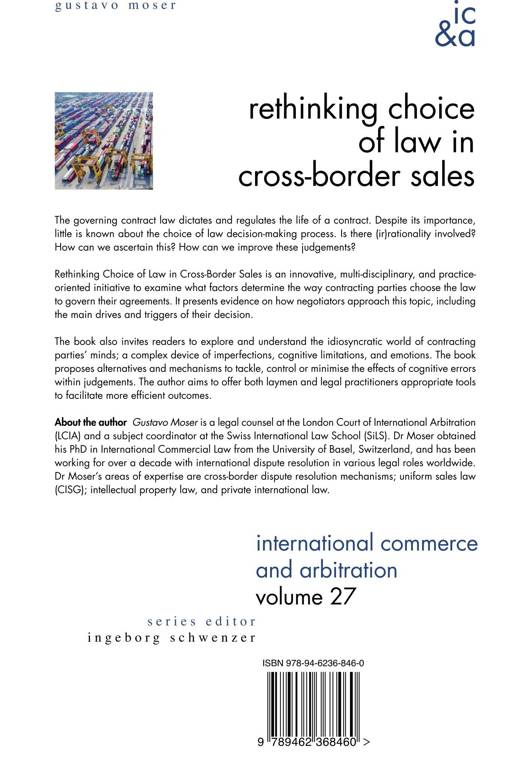
Rethinking Choice of Law in Cross-Border Sales
Gustavo Moser
€ 151,50
+ 303 punten
Omschrijving
The governing contract law dictates and regulates the life of a contract. Despite its importance, little is known about the choice of law decision-making process. Is there (ir)rationality involved? How can we ascertain this? How can we improve these judgements? Rethinking Choice of Law in Cross-Border Sales is an innovative, multi-disciplinary, and practice-oriented initiative to examine what factors determine the way contracting parties choose the law to govern their agreements. It presents evidence on how negotiators approach this topic, including the main drives and triggers of their decisions. The book also invites readers to explore and understand the idiosyncratic world of contracting parties' minds; a complex device of imperfections, cognitive limitations, and emotions. The book proposes alternatives and mechanisms to tackle, control or minimise the effects of cognitive errors within judgements. The author aims to offer both laymen and legal practitioners appropriate tools to facilitate more efficient outcomes.
Specificaties
Betrokkenen
- Auteur(s):
- Uitgeverij:
Inhoud
- Aantal bladzijden:
- 260
- Taal:
- Engels
- Reeks:
- Reeksnummer:
- nr. 27
Eigenschappen
- Productcode (EAN):
- 9789462368460
- Verschijningsdatum:
- 26/04/2018
- Uitvoering:
- Hardcover
- Formaat:
- Genaaid
- Afmetingen:
- 170 mm x 246 mm
- Gewicht:
- 598 g



Alleen bij Standaard Boekhandel
+ 303 punten op je klantenkaart van Standaard Boekhandel
Cadeau

AANGERADEN


Beoordelingen
We publiceren alleen reviews die voldoen aan de voorwaarden voor reviews. Bekijk onze voorwaarden voor reviews.