


- Afhalen na 1 uur in een winkel met voorraad
- Gratis thuislevering in België vanaf € 30
- Ruim aanbod met 7 miljoen producten
- Afhalen na 1 uur in een winkel met voorraad
- Gratis thuislevering in België vanaf € 30
- Ruim aanbod met 7 miljoen producten





Omschrijving
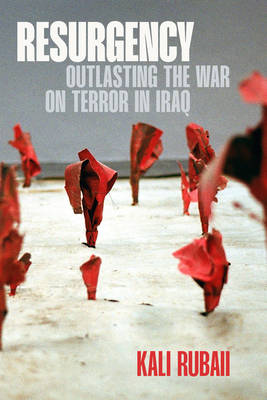
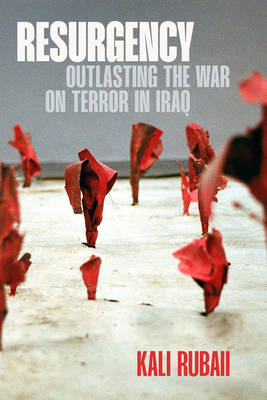
Resurgency examines how Iraqi farmers outlast the long shadow of US military intervention as they return to repair their war-damaged homeland. Based on detailed ethnographic research, Kali Rubaii expands the temporal and descriptive definitions of war, displacement, and resistance. In Resurgency, Kali Rubaii offers detailed ethnographic insight into how decades of war have affected everyday life in Iraq. Drawing on fieldwork in Anbar province and Iraqi Kurdistan in 2014-15 and 2021-24, Rubaii foregrounds the practices of displaced people who stubbornly outlast their occupiers, returning to homes that feel estranging, repairing war-damaged land, and surviving into futures to which they have been disinvited. Following Anbari farmers in their struggle to counter the social and environmental fallout from toxic military waste, depleted ecosystems, and transformed political economies, Resurgency expands the temporal and descriptive categories of what war is--and what resistance looks like. By asking what actions and dispositions make sense when conditions of survival are diminished, and when today may be better than tomorrow, Rubaii offers new methods and insights to those concerned about the possibilities of life amid environmental devastation, mass displacement, and the slow violence of the forever wars.
Specificaties
Betrokkenen
- Auteur(s):
- Uitgeverij:
Inhoud
- Aantal bladzijden:
- 318
- Taal:
- Engels
- Reeks:
Eigenschappen
- Productcode (EAN):
- 9781478038726
- Verschijningsdatum:
- 7/07/2026
- Uitvoering:
- Paperback
- Formaat:
- Trade paperback (VS)
- Afmetingen:
- 152 mm x 229 mm
- Gewicht:
- 444 g


Alleen bij Standaard Boekhandel
+ 76 punten op je klantenkaart van Standaard Boekhandel
Cadeau

AANGERADEN


Beoordelingen
We publiceren alleen reviews die voldoen aan de voorwaarden voor reviews. Bekijk onze voorwaarden voor reviews.