


- Afhalen na 1 uur in een winkel met voorraad
- Gratis thuislevering in België vanaf € 30
- Ruim aanbod met 7 miljoen producten
- Afhalen na 1 uur in een winkel met voorraad
- Gratis thuislevering in België vanaf € 30
- Ruim aanbod met 7 miljoen producten





€ 17,50
+ 17 punten
Omschrijving
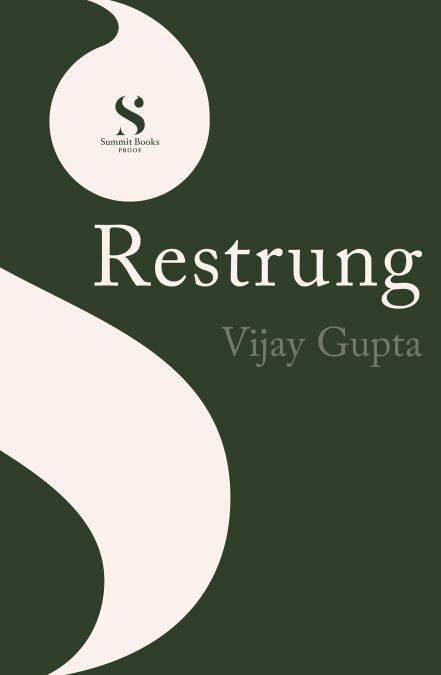
Violinist Vijay Gupta’s searing memoir of prodigy, ambition, collapse, and renewal reveals how music is not just performance but also survival, a lifeline of human connection—for readers of Jeremy Denk's Every Good Boy Does Fine Hua Hsu's Stay True, and Patrick Bringley’s All the Beauty in the World.
By age 25, Vijay Gupta had lived several lifetimes: he played Carnegie Hall at eight, studied at Juilliard and Yale before most had finished high school, joined the Los Angeles Philharmonic at nineteen, gave a celebrated TED Talk seen by millions, and launched a nonprofit. But behind the accolades was estrangement, addiction, and a private unraveling.
Restrung is Gupta’s unflinching memoir of breaking apart and remaking a self. It begins with a boy raised between the strict devotion of Bengali immigrant parents and the ruthless demands of the conservatory. It follows him through the shimmering world of elite orchestras, into the depths of burnout, and ultimately toward an unexpected reawakening—where he discovered that the music he’d spent his life studying was seen not as a curio of high culture or mere entertainment, but a lifeline of connection—most vividly in Skid Row, where people living through addiction, homelessness, and incarceration heard it as survival itself.
There, audiences spoke to how they saw their own lives reflected in the stories of composers too often frozen into marble busts: the rage of Beethoven, the fragility of Schumann’s mind, the alienation of Bartók, the plight of Handel—who wrote Messiah bankrupt, ill, and broken, yet transformed despair into an enduring Hallelujah. Restrung unsettles assumptions about success while illuminating how art restores not just audiences, but artists themselves.
By age 25, Vijay Gupta had lived several lifetimes: he played Carnegie Hall at eight, studied at Juilliard and Yale before most had finished high school, joined the Los Angeles Philharmonic at nineteen, gave a celebrated TED Talk seen by millions, and launched a nonprofit. But behind the accolades was estrangement, addiction, and a private unraveling.
Restrung is Gupta’s unflinching memoir of breaking apart and remaking a self. It begins with a boy raised between the strict devotion of Bengali immigrant parents and the ruthless demands of the conservatory. It follows him through the shimmering world of elite orchestras, into the depths of burnout, and ultimately toward an unexpected reawakening—where he discovered that the music he’d spent his life studying was seen not as a curio of high culture or mere entertainment, but a lifeline of connection—most vividly in Skid Row, where people living through addiction, homelessness, and incarceration heard it as survival itself.
There, audiences spoke to how they saw their own lives reflected in the stories of composers too often frozen into marble busts: the rage of Beethoven, the fragility of Schumann’s mind, the alienation of Bartók, the plight of Handel—who wrote Messiah bankrupt, ill, and broken, yet transformed despair into an enduring Hallelujah. Restrung unsettles assumptions about success while illuminating how art restores not just audiences, but artists themselves.
Specificaties
Betrokkenen
- Auteur(s):
- Uitgeverij:
Inhoud
- Aantal bladzijden:
- 272
- Taal:
- Engels
Eigenschappen
- Productcode (EAN):
- 9781398565265
- Verschijningsdatum:
- 9/09/2026
- Uitvoering:
- E-book
- Beveiligd met:
- Adobe DRM
- Formaat:
- ePub


Alleen bij Standaard Boekhandel
+ 17 punten op je klantenkaart van Standaard Boekhandel
CADEAU

AANGERADEN


Beoordelingen
We publiceren alleen reviews die voldoen aan de voorwaarden voor reviews. Bekijk onze voorwaarden voor reviews.