


- Afhalen na 1 uur in een winkel met voorraad
- Gratis thuislevering in België vanaf € 30
- Ruim aanbod met 7 miljoen producten
- Afhalen na 1 uur in een winkel met voorraad
- Gratis thuislevering in België vanaf € 30
- Ruim aanbod met 7 miljoen producten





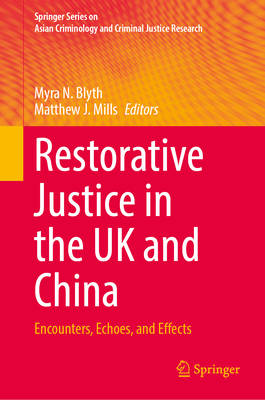
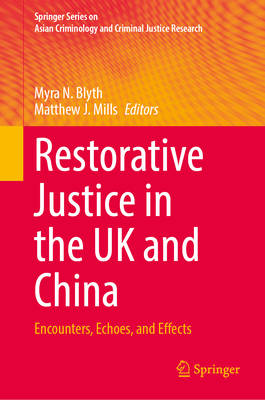
Restorative Justice in the UK and China
Encounters, Echoes, and Effects
€ 151,95
+ 303 punten
Omschrijving
This book provides cross-cultural analysis of restorative justice, examining its theoretical foundations and practical applications in the UK and China. Bringing together scholars from both regions, it highlights how cultural, philosophical, and legal traditions shape restorative justice frameworks, influencing policies, implementation strategies, and societal perceptions. It explores the historical development of restorative justice in each jurisdiction, analyzing the role of Confucian principles in China and common law traditions in the UK in shaping mediation, offender rehabilitation, and victim participation. The book also considers how restorative justice operates within formal legal structures and community-based initiatives, assessing its potential to enhance crime prevention and social cohesion. Through empirical studies and theoretical perspectives, contributors investigate key areas including policing and youth justice, together with emerging topics such as environmental restorative justice. The book critically examines the challenges of integrating restorative practices within legal systems, assessing their effectiveness in reducing recidivism and fostering accountability. Case studies illustrate how restorative justice is applied in real-world contexts, offering comparative insights into its successes and limitations. The fruit of intercultural dialogue and multidisciplinary in scope, this book is an essential resource for criminologists and legal scholars seeking to understand the complexities of restorative justice in different socio-legal contexts.
Specificaties
Betrokkenen
- Uitgeverij:
Inhoud
- Aantal bladzijden:
- 216
- Taal:
- Engels
- Reeks:
Eigenschappen
- Productcode (EAN):
- 9783032221414
- Verschijningsdatum:
- 20/07/2026
- Uitvoering:
- Hardcover
- Formaat:
- Genaaid
- Afmetingen:
- 155 mm x 235 mm

Alleen bij Standaard Boekhandel
+ 303 punten op je klantenkaart van Standaard Boekhandel
Cadeau

AANGERADEN


Beoordelingen
We publiceren alleen reviews die voldoen aan de voorwaarden voor reviews. Bekijk onze voorwaarden voor reviews.