


- Afhalen na 1 uur in een winkel met voorraad
- Gratis thuislevering in België vanaf € 30
- Ruim aanbod met 7 miljoen producten
- Afhalen na 1 uur in een winkel met voorraad
- Gratis thuislevering in België vanaf € 30
- Ruim aanbod met 7 miljoen producten





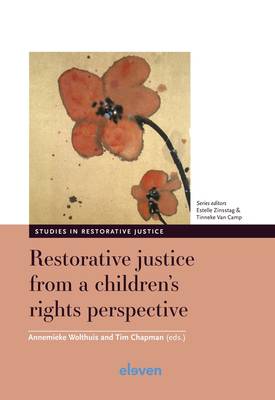
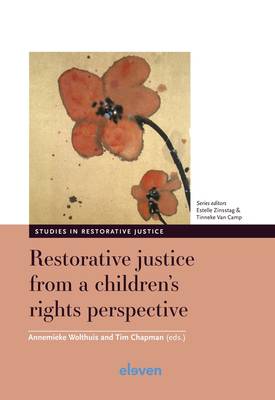
Restorative justice from a children's rights perspective
€ 132,95
+ 265 punten
Eenvoudig bestellen
Veilig betalen


Gratis thuislevering vanaf € 30 (via bpost)
Gratis levering in je Standaard Boekhandel
Omschrijving
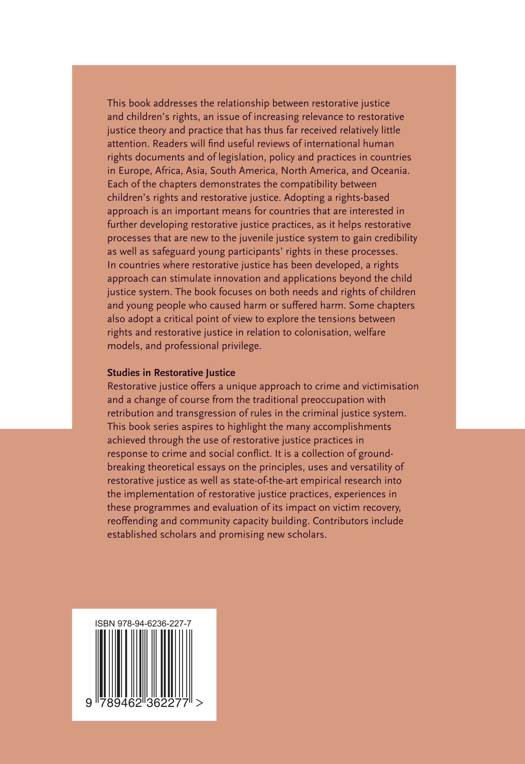
This book addresses the relationship between restorative justice and children's rights, an issue of increasing relevance to restorative justice theory and practice that has thus far received relatively little attention. Readers will find useful reviews of international human rights documents and of legislation, policy and practices in countries in Europe, Africa, Asia, South America, North America, and Oceania. Each of the chapters demonstrates the compatibility between children's rights and restorative justice. Adopting a rights-based approach is an important means for countries that are interested in further developing restorative justice practices, as it helps restorative processes that are new to the juvenile justice system to gain credibility as well as safeguard young participants' rights in these processes. In countries where restorative justice has been developed, a rights approach can stimulate innovation and applications beyond the child justice system. The book focuses on both needs and rights of children and young people who caused harm or suffered harm. Some chapters also adopt a critical point of view to explore the tensions between rights and restorative justice in relation to colonisation, welfare models, and professional privilege.
Specificaties
Betrokkenen
- Uitgeverij:
Inhoud
- Aantal bladzijden:
- 340
- Taal:
- Engels
- Reeks:
- Reeksnummer:
- nr. 3
Eigenschappen
- Productcode (EAN):
- 9789462362277
- Verschijningsdatum:
- 16/11/2021
- Uitvoering:
- Hardcover
- Formaat:
- Genaaid
- Afmetingen:
- 170 mm x 244 mm
- Gewicht:
- 742 g

Alleen bij Standaard Boekhandel
+ 265 punten op je klantenkaart van Standaard Boekhandel
CADEAU

AANGERADEN


Beoordelingen
We publiceren alleen reviews die voldoen aan de voorwaarden voor reviews. Bekijk onze voorwaarden voor reviews.