


- Afhalen na 1 uur in een winkel met voorraad
- Gratis thuislevering in België vanaf € 30
- Ruim aanbod met 7 miljoen producten
- Afhalen na 1 uur in een winkel met voorraad
- Gratis thuislevering in België vanaf € 30
- Ruim aanbod met 7 miljoen producten





€ 99,95
+ 199 punten
Omschrijving
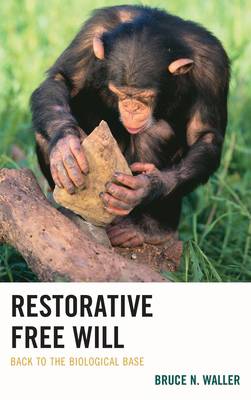
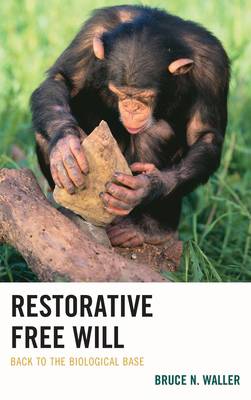
Restorative Free Will argues for an account of free will that takes seriously the evolutionary development of the key elements of free will. It emphasizes a biological understanding of free will that rejects the belief that free will belongs exclusively to humans and seeks to understand free will by examining it writ large in the adaptive behavior of many species. Drawing on resources from primatology, biology, psychology, and anthropology, Restorative Free Will examines the major compatibilist and libertarian accounts of free will, acknowledges their important insights while arguing that each view mistakenly treats an essential element of animal free will as if it were the full account of free will, and demonstrates how a broader biological approach to free will integrates those insights into a richer naturalistic free will account.
Specificaties
Betrokkenen
- Auteur(s):
- Uitgeverij:
Inhoud
- Aantal bladzijden:
- 328
- Taal:
- Engels
Eigenschappen
- Productcode (EAN):
- 9781498522403
- Verschijningsdatum:
- 13/06/2017
- Uitvoering:
- Paperback
- Formaat:
- Trade paperback (VS)
- Afmetingen:
- 152 mm x 229 mm
- Gewicht:
- 335 g


Alleen bij Standaard Boekhandel
+ 199 punten op je klantenkaart van Standaard Boekhandel
Cadeau

AANGERADEN


Beoordelingen
We publiceren alleen reviews die voldoen aan de voorwaarden voor reviews. Bekijk onze voorwaarden voor reviews.