


- Afhalen na 1 uur in een winkel met voorraad
- Gratis thuislevering in België vanaf € 30
- Ruim aanbod met 7 miljoen producten
- Afhalen na 1 uur in een winkel met voorraad
- Gratis thuislevering in België vanaf € 30
- Ruim aanbod met 7 miljoen producten





€ 64,45
+ 128 punten
Uitvoering
Omschrijving
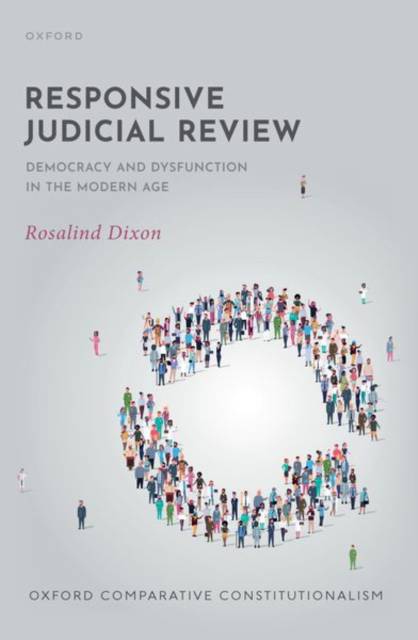
Democratic dysfunction can arise in both 'at risk' and well-functioning constitutional systems. It can threaten a system's responsiveness to both minority rights claims and majoritarian constitutional understandings. Responsive Judicial Review aims to counter this dysfunction-by encouraging courts to orient choices about constitutional construction toward promoting democratic responsiveness, or countering forms of democratic monopoly, blind spots, and burdens of inertia. At the same time, the idea of 'responsive' judicial review encourages courts to engage with their own distinct institutional position and potential limits on their own capacity and legitimacy. This translates into courts embracing a 'weakened' approach to judicial finality, or 'weak-strong' judicial review and remedies, as well as a nuanced approach to the making of judicial implications, a 'calibrated' approach to judicial scrutiny or judgments about proportionality. Dixon further argues that courts should look for ways to increase the legitimacy of their decisions-through careful choices about their framing, and the timing and selection of cases. Nevertheless, the idea of responsive judicial review is explicitly normative and aspirational: it aims to provide a blueprint for how courts should think about the practice of judicial review as they strive to promote and protect democratic constitutional values.
Specificaties
Betrokkenen
- Auteur(s):
- Uitgeverij:
Inhoud
- Aantal bladzijden:
- 320
- Taal:
- Engels
- Reeks:
Eigenschappen
- Productcode (EAN):
- 9780198938910
- Verschijningsdatum:
- 8/08/2025
- Uitvoering:
- Paperback
- Formaat:
- Trade paperback (VS)
- Afmetingen:
- 158 mm x 232 mm
- Gewicht:
- 476 g



Alleen bij Standaard Boekhandel
+ 128 punten op je klantenkaart van Standaard Boekhandel

Beoordelingen
We publiceren alleen reviews die voldoen aan de voorwaarden voor reviews. Bekijk onze voorwaarden voor reviews.