


- Afhalen na 1 uur in een winkel met voorraad
- Gratis thuislevering in België vanaf € 30
- Ruim aanbod met 7 miljoen producten
- Afhalen na 1 uur in een winkel met voorraad
- Gratis thuislevering in België vanaf € 30
- Ruim aanbod met 7 miljoen producten





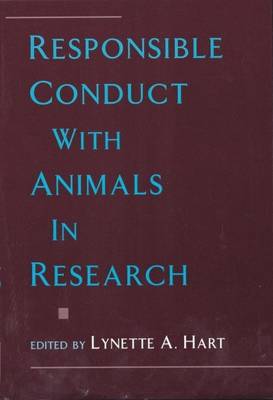
Responsible Conduct with Animals in Research
€ 50,45
+ 100 punten
Omschrijving
The issues raised by research in animal behavior are often different from those raised by research in molecular biology and pharmacology. Studies of animal behavior often bring scientists into close and prolonged contact with their subjects. Due to this proximity, some researchers may feel confronted with the ethics of certain practices concerning human-animal interaction, especially when many investigators have been involved. The issue becomes even more controversial due to the fact that lay people in society often identify with the emotional reactions of animals.
This book addresses the particular dilemmas and issues of relevance to the field of animal behavior. Part I concerns changing research practices and rules from both the institutional and personal perspective. The author considers the transformation of patterns of acceptable use in law and within the American Psychological Association, as well as the changing perspective with which scientists may evaluate some of their past work. Part II focuses on current issues regarding animal research and how scientists make practical decisions regarding their experimental subjects. Part III explores ways of assessing the animal's well, preferably by asking the animal. Finally, part IV discusses the influences animals can exert on research practitioners, although those affected may not be aware of it, and animal activism.
This book addresses the particular dilemmas and issues of relevance to the field of animal behavior. Part I concerns changing research practices and rules from both the institutional and personal perspective. The author considers the transformation of patterns of acceptable use in law and within the American Psychological Association, as well as the changing perspective with which scientists may evaluate some of their past work. Part II focuses on current issues regarding animal research and how scientists make practical decisions regarding their experimental subjects. Part III explores ways of assessing the animal's well, preferably by asking the animal. Finally, part IV discusses the influences animals can exert on research practitioners, although those affected may not be aware of it, and animal activism.
Specificaties
Betrokkenen
- Uitgeverij:
Inhoud
- Aantal bladzijden:
- 208
- Taal:
- Engels
- Reeks:
Eigenschappen
- Productcode (EAN):
- 9780195105124
- Verschijningsdatum:
- 8/10/1998
- Uitvoering:
- Paperback
- Formaat:
- Trade paperback (VS)
- Afmetingen:
- 169 mm x 233 mm
- Gewicht:
- 326 g

Alleen bij Standaard Boekhandel
+ 100 punten op je klantenkaart van Standaard Boekhandel
Cadeau

AANGERADEN


Beoordelingen
We publiceren alleen reviews die voldoen aan de voorwaarden voor reviews. Bekijk onze voorwaarden voor reviews.