


- Afhalen na 1 uur in een winkel met voorraad
- Gratis thuislevering in België vanaf € 30
- Ruim aanbod met 7 miljoen producten
- Afhalen na 1 uur in een winkel met voorraad
- Gratis thuislevering in België vanaf € 30
- Ruim aanbod met 7 miljoen producten




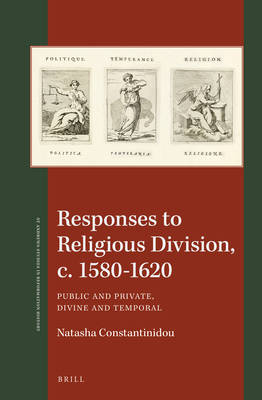
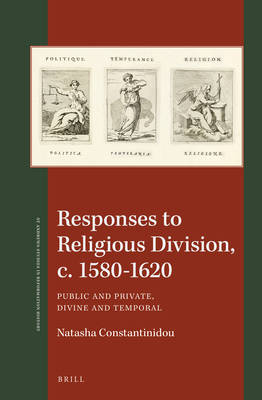
Responses to Religious Division, C. 1580-1620
Public and Private, Divine and Temporal
Natasha Constantinidou
€ 209,45
+ 418 punten
Omschrijving
In this study Natasha Constantinidou considers the views articulated by the scholars Pierre Charron (1541-1603), Justus Lipsius (1547-1606), Paolo Sarpi (1552-1623) and King James VI and I (1566-1625), in response to the religious ruptures of their time. Though rarely juxtaposed, all four authors were deeply affected by the religious divisions. In their works, they denounced religious zeal, focusing on non-dogmatic piety. Drawing on classical tradition and church history, they set out to offer consolation to the people of a war-torn continent and to discuss means of reconciliation. Their responses sought to define the role of religion in public and private. They emphasised the need for lay control of religious affairs as the only way of ensuring peace, whilst circumscribing belief and its practice to the private realm.
Specificaties
Betrokkenen
- Auteur(s):
- Uitgeverij:
Inhoud
- Aantal bladzijden:
- 304
- Taal:
- Engels
- Reeks:
- Reeksnummer:
- nr. 6
Eigenschappen
- Productcode (EAN):
- 9789004330764
- Verschijningsdatum:
- 21/06/2017
- Uitvoering:
- Hardcover
- Formaat:
- Genaaid
- Afmetingen:
- 157 mm x 236 mm
- Gewicht:
- 385 g


Alleen bij Standaard Boekhandel
+ 418 punten op je klantenkaart van Standaard Boekhandel
CADEAU


Beoordelingen
We publiceren alleen reviews die voldoen aan de voorwaarden voor reviews. Bekijk onze voorwaarden voor reviews.