


- Afhalen na 1 uur in een winkel met voorraad
- Gratis thuislevering in België vanaf € 30
- Ruim aanbod met 7 miljoen producten
- Afhalen na 1 uur in een winkel met voorraad
- Gratis thuislevering in België vanaf € 30
- Ruim aanbod met 7 miljoen producten





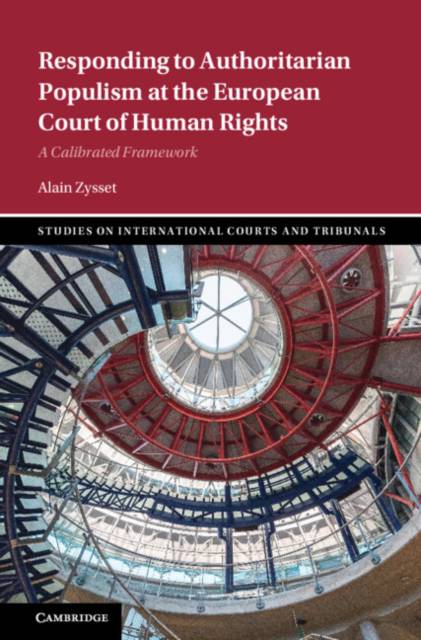
Responding to Authoritarian Populism at the European Court of Human Rights
A Calibrated Framework
Alain Zysset
€ 201,95
+ 403 punten
Omschrijving
The book offers the first systematic account of the European Court of Human Rights' actual and potential response to the wave of authoritarian populism consolidating across Council of Europe states. It develops an original framework combining philosophical, social-scientific and legal analysis. The book first develops the claim that authoritarian populism is characterised by a severe distortion of democracy and a corrupt rule of law. Drawing on these insights, the book points to the infrastructural erosion of Convention rights, highlighting the limits of the Court's 'democratic society' in the media, judicial, and electoral domains. Taking into account the Court's subsidiary position, the book demonstrates how the Court's proportionality test can and should be enhanced to better detect and respond to infrastructural erosion across these areas.
Specificaties
Betrokkenen
- Auteur(s):
- Uitgeverij:
Inhoud
- Aantal bladzijden:
- 286
- Taal:
- Engels
- Reeks:
Eigenschappen
- Productcode (EAN):
- 9781009377966
- Verschijningsdatum:
- 5/03/2026
- Uitvoering:
- Hardcover
- Formaat:
- Genaaid
- Afmetingen:
- 152 mm x 229 mm
- Gewicht:
- 544 g



Alleen bij Standaard Boekhandel
+ 403 punten op je klantenkaart van Standaard Boekhandel
Cadeau

AANGERADEN


Beoordelingen
We publiceren alleen reviews die voldoen aan de voorwaarden voor reviews. Bekijk onze voorwaarden voor reviews.