


- Afhalen na 1 uur in een winkel met voorraad
- Gratis thuislevering in België vanaf € 30
- Ruim aanbod met 7 miljoen producten
- Afhalen na 1 uur in een winkel met voorraad
- Gratis thuislevering in België vanaf € 30
- Ruim aanbod met 7 miljoen producten





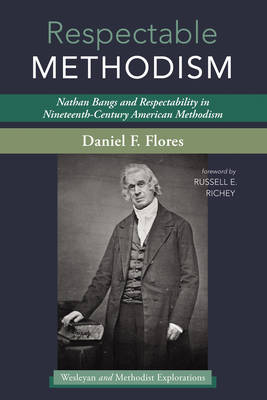
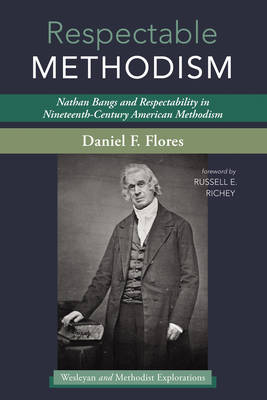
Respectable Methodism
Nathan Bangs and Respectability in Nineteenth-Century American Methodism
Daniel F Flores
€ 63,95
+ 127 punten
Uitvoering
Eenvoudig bestellen
Veilig betalen


Gratis thuislevering vanaf € 30 (via bpost)
Gratis levering in je Standaard Boekhandel
Omschrijving
The Wesleyan-Methodist movement entered American history as a fragment of British Methodism. It quickly took on a new identity in the early republic and grew into a vibrant denomination in the nineteenth century. The transitions from the rugged pioneer religion modeled by Bishop Francis Asbury to the urbane religion of industrial America was by design the goal of influential leaders of the Methodist Episcopal Church. Nathan Bangs was perhaps one of the most significant of such leaders. He rose from obscurity to the ranks of power and influence by refining patterns of worship, expanding denominational publishing, and structuring ministerial education. This study is concerned with the development of respectability in American Methodism. It also explores questions on how Bangs and other leaders dealt with in-house conflicts on issues related to race, slavery, and the poor.
Specificaties
Betrokkenen
- Auteur(s):
- Uitgeverij:
Inhoud
- Aantal bladzijden:
- 244
- Taal:
- Engels
- Reeks:
Eigenschappen
- Productcode (EAN):
- 9781666713978
- Verschijningsdatum:
- 7/03/2023
- Uitvoering:
- Hardcover
- Formaat:
- Genaaid
- Afmetingen:
- 152 mm x 229 mm
- Gewicht:
- 530 g


Alleen bij Standaard Boekhandel
+ 127 punten op je klantenkaart van Standaard Boekhandel
CADEAU

AANGERADEN


Beoordelingen
We publiceren alleen reviews die voldoen aan de voorwaarden voor reviews. Bekijk onze voorwaarden voor reviews.