


- Afhalen na 1 uur in een winkel met voorraad
- Gratis thuislevering in België vanaf € 30
- Ruim aanbod met 7 miljoen producten
- Afhalen na 1 uur in een winkel met voorraad
- Gratis thuislevering in België vanaf € 30
- Ruim aanbod met 7 miljoen producten





€ 59,95
+ 119 punten
Omschrijving
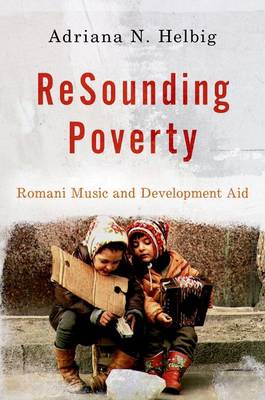
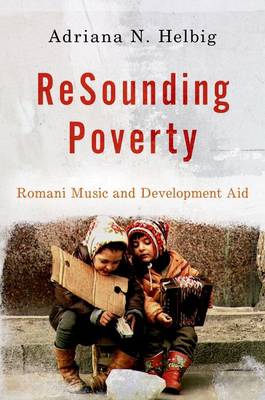
ReSounding Poverty: Romani Music and Development Aid engages with global scholarship on development, poverty, and applied research. It addresses the role of non-governmental organizations (NGOs) within postsocialist neoliberal processes and analyzes the economic structures within which Romani musics circulate. Specifically, ReSounding Poverty offers a micro ethnography of economic networks that impact the daily lives of Romani musicians on the borders of the former Soviet Union and the European Union. It argues that the development aid allotted to provide economic assistance to Romani communities, when analyzed from the perspective of the performance arts, continues to marginalize the poorest among them. Through their structure and programming, NGOs choose which segments of the population are the most vulnerable and in the greatest need of assistance. Drawing on ethnographic research in development contexts, ReSounding Poverty asks who speaks for whom within the Romani rights movement today. Framing the critique of development aid in musical terms, it engages with Romani marginalization and economic deprivation through a closer listening to vocal inflections, physical vocalizations of health and disease, and emotional affect. ReSounding Poverty brings us into the back rooms of saman, mud and straw brick, houses not visited by media reporters and politicians, amplifying the cultural expressions of the Romani poor, silenced in the business of development.
Specificaties
Betrokkenen
- Auteur(s):
- Uitgeverij:
Inhoud
- Aantal bladzijden:
- 240
- Taal:
- Engels
Eigenschappen
- Productcode (EAN):
- 9780197631775
- Verschijningsdatum:
- 23/06/2023
- Uitvoering:
- Paperback
- Formaat:
- Trade paperback (VS)
- Afmetingen:
- 157 mm x 236 mm
- Gewicht:
- 362 g


Alleen bij Standaard Boekhandel
+ 119 punten op je klantenkaart van Standaard Boekhandel
Cadeau

AANGERADEN


Beoordelingen
We publiceren alleen reviews die voldoen aan de voorwaarden voor reviews. Bekijk onze voorwaarden voor reviews.