


- Afhalen na 1 uur in een winkel met voorraad
- Gratis thuislevering in België vanaf € 30
- Ruim aanbod met 7 miljoen producten
- Afhalen na 1 uur in een winkel met voorraad
- Gratis thuislevering in België vanaf € 30
- Ruim aanbod met 7 miljoen producten





Omschrijving
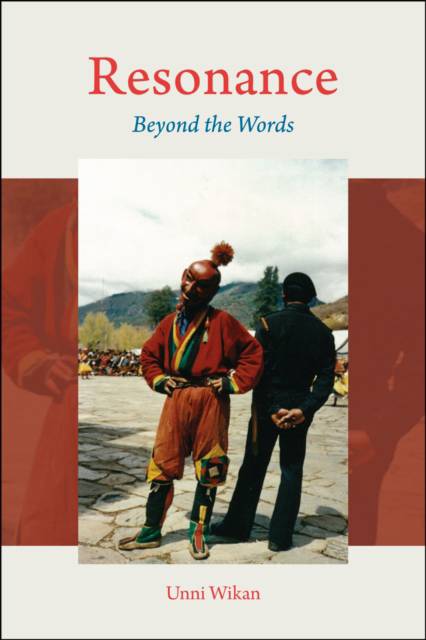
Resonance gathers together forty years of anthropological study by a researcher and writer with one of the broadest fieldwork résumés in anthropology: Unni Wikan. In its twelve essays--four of which are brand new--Resonance covers encounters with transvestites in Oman, childbirth in Bhutan, poverty in Cairo, and honor killings in Scandinavia, with visits to several other locales and subjects in between. Including a comprehensive preface and introduction that brings the whole work into focus, Resonance surveys an astonishing career of anthropological inquiry that demonstrates the possibility for a common humanity, a way of knowing others on their own terms. Deploying Clifford Geertz's concept of "experience-near" observations --and driven by an ambition to work beyond Geertz's own limitations--Wikan strives for an anthropology that sees, describes, and understands the human condition in the models and concepts of the people being observed. She highlights the fundamentals of an explicitly comparative, person-centered, and empathic approach to fieldwork, pushing anthropology to shift from the specialist discourses of academic experts to a grasp of what the Balinese call keneh-- the heart, thought, and feeling of the real people of the world. By deploying this strategy across such a range of sites and communities, she provides a powerful argument that ever-deeper insight can be attained despite our differences.
Specificaties
Betrokkenen
- Auteur(s):
- Uitgeverij:
Inhoud
- Aantal bladzijden:
- 384
- Taal:
- Engels
Eigenschappen
- Productcode (EAN):
- 9780226924465
- Verschijningsdatum:
- 16/01/2013
- Uitvoering:
- Hardcover
- Formaat:
- Genaaid
- Afmetingen:
- 155 mm x 231 mm
- Gewicht:
- 544 g



Alleen bij Standaard Boekhandel
+ 270 punten op je klantenkaart van Standaard Boekhandel
CADEAU

AANGERADEN


Beoordelingen
We publiceren alleen reviews die voldoen aan de voorwaarden voor reviews. Bekijk onze voorwaarden voor reviews.